



You’re reading The Journal, a new section for Linear that’s focused on noteworthy design news, long-form editorials, interviews, events, and random design musings
Hey everyone,
It’s been a minute since our last newsletter — thanks for your patience. We’re back with Issue No. 30 (!!) of Linear Magazine, and we’re just getting started.
In case you missed it, we just opened the waitlist for Linear Concierge, the best way to book exceptional, design-led stays for the Architecturally Curious. Concierge includes discounted member rates and complimentary upgrades, among other VIP perks. I’m thrilled to be building it with the incredible Hunter Owens — we’re so excited to share what we’ve been working on.
The response so far has been overwhelming (in the best way), so thanks for the early love while we work through the queue. If you’ve got travel on the horizon, reply to this email, or tell us about your trip here — we’ll move you up the list when we can.
Stay Curious,
The L-M Team
A light touch
Renzo Piano finds light in stone, steel, and shadow
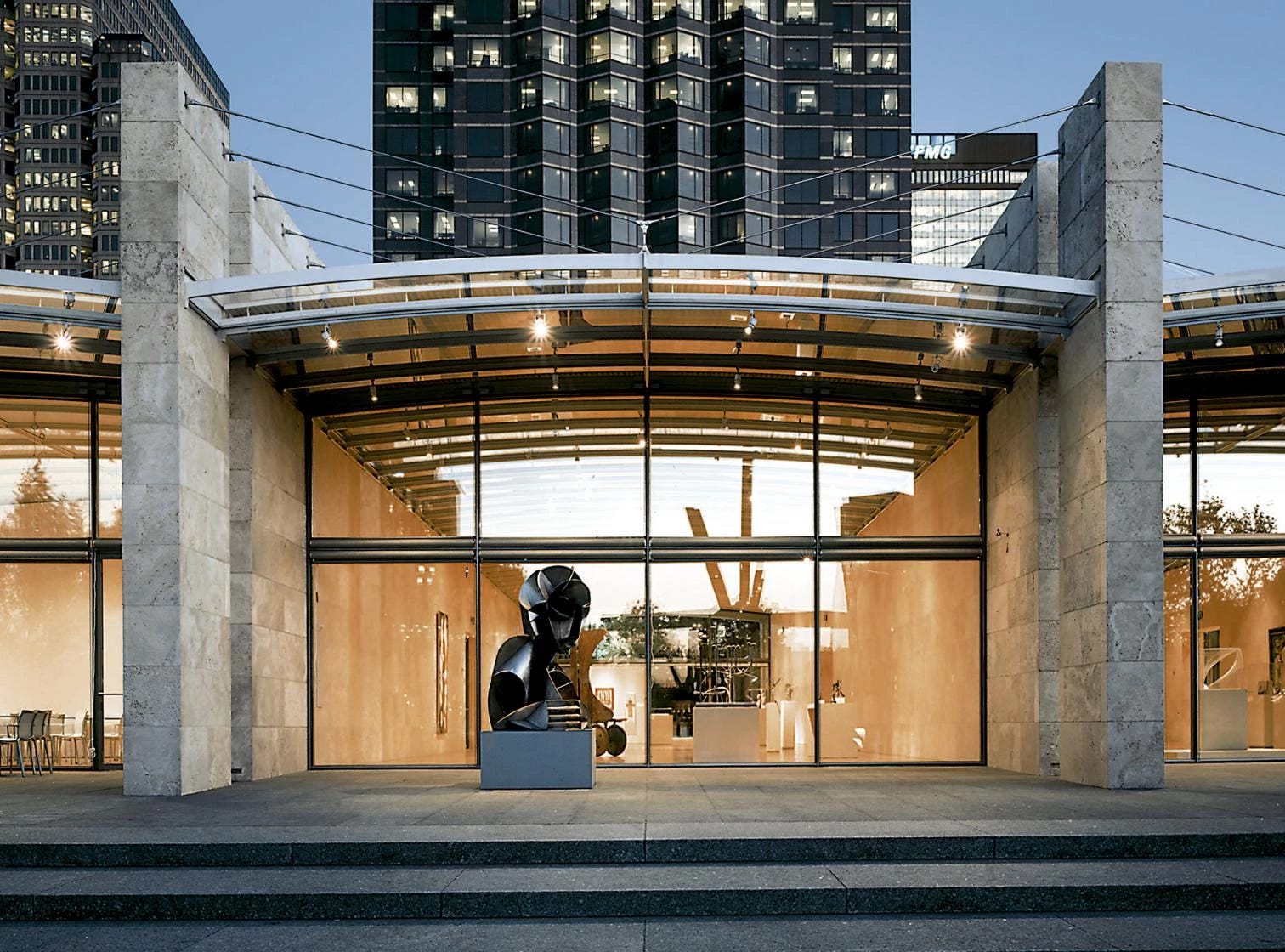
One of the first buildings I remember loving was the Nasher Sculpture Center. Growing up in Dallas, it was a go-to for school trips. Later, it was movie nights on the lawn.
Only recently did I realize it was designed by Renzo Piano. (This happens a lot, by the way. I’ll fall for a “new” song only to find out it’s by Blondie, that tiny indie band I’m definitely the first to discover.)
Like many sites in Downtown Dallas, the Nasher was once a parking lot. Piano wanted to “steal this piece of land from its normal destiny,” drawing inspiration from Roman and Greek ruins.
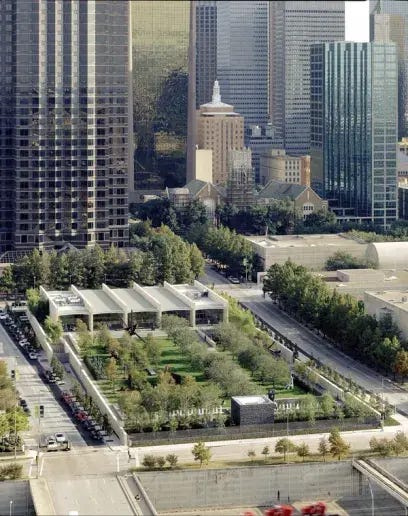
In classic ruin fashion, the building is almost entirely Italian travertine and glass. Six parallel walls run north to south, dividing the museum into five equal bays, creating a clear sightline from the street to the garden.
And despite its low-slung roofline, the building feels airy — it seems to expand and contract as you move through it.
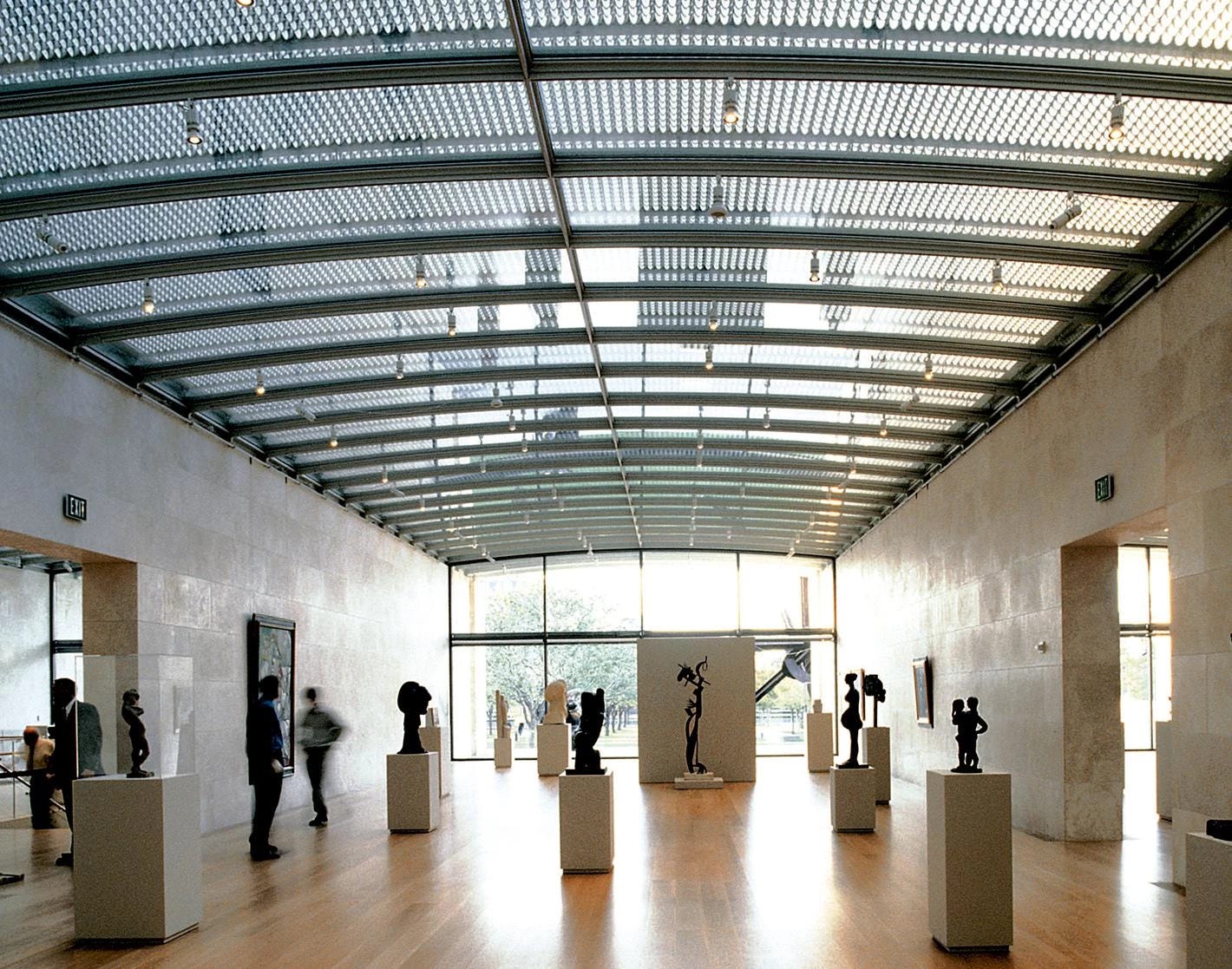
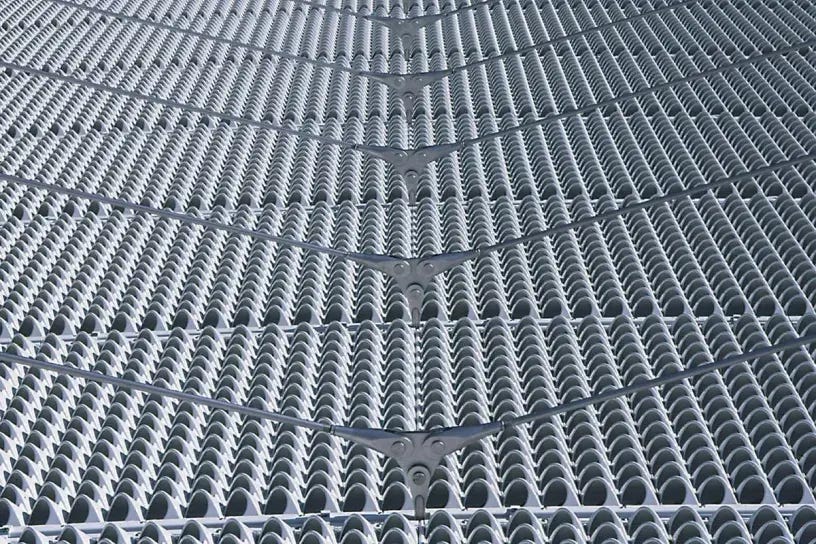
Piano envisioned a museum that had no ceiling, one that was open to the elements. More practically, he implemented a cast aluminum sun-shading system that allows northern light to diffuse throughout the space, while blocking direct sunlight from above.
Its five 120-by-25-foot travertine walls could easily feel imposing, especially in Downtown Dallas
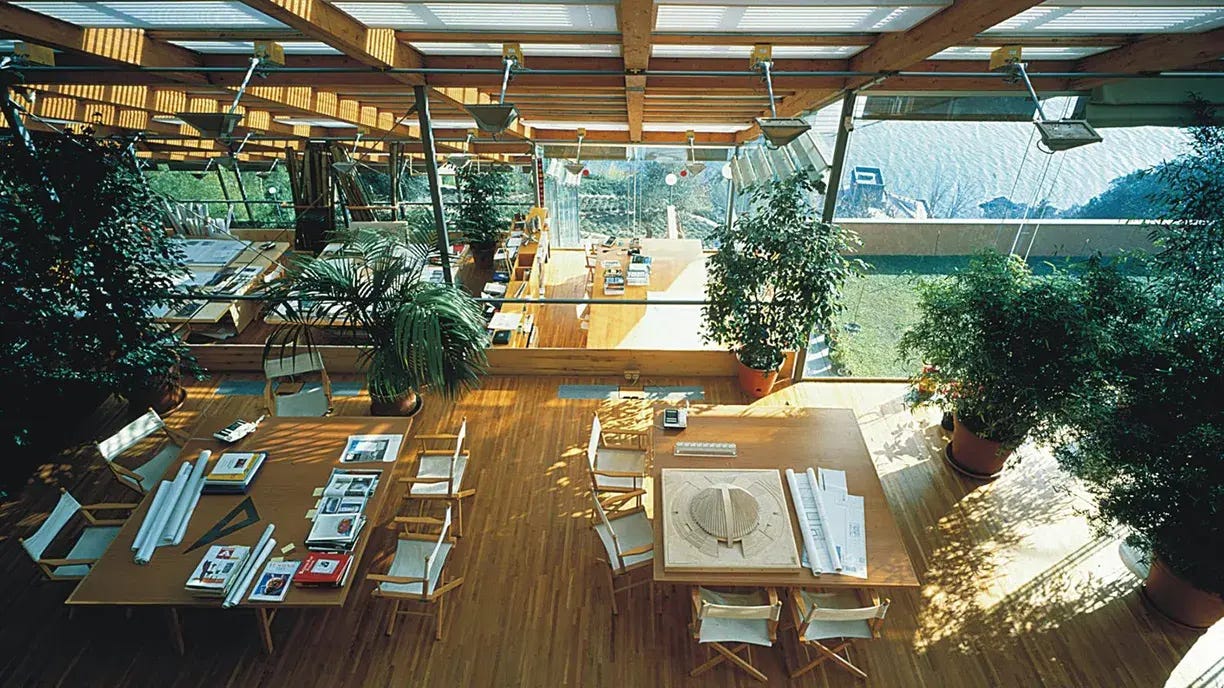
This kind of engineering-driven design is a consistent through line in Piano’s works. Piano’s studio in Genoa employs a timbered lattice with motorized louvers, a wood-supported roof that uses photocells to adjust slats, regulating heat and daylight dynamically. The Menil Collection in Houston was even more connected, integrating a grid of large steel beams to admit controlled northern light.
It’s a fine balance to feel rooted in place, yet light on the ground. That’s what draws me to the Nasher — its five 120-by-25-foot travertine walls could easily feel imposing, especially in Downtown Dallas. But the roof, the light, and the air loosen everything. The building feels like a ruin, unfinished in the best way. Grounded, but light on its feet, leaving room for the sculptures to speak.
The Nasher is a reminder that some of the most meaningful encounters with design happen in real life. I’m excited to go looking for more of them.
Stay of the week: Casa Nossa

For the softer kind of Euro Summer, enter Casa Nossa, a 160-acre, 10-bedroom retreat in Alentejo, Portugal that blurs the line between boutique hotel and luxury Airbnb.

Curated by Felipa Almeida, Casa Nossa accommodates 20 guests, and features two private pools, a wine cellar, library, cinema room, and team of private chefs trained by José Avillez.
Prices range from $7,700 on the off season to $10,300 on the peak season. Explore the stay on Linear, or reply to this email and we’ll put you in touch.
