



For most of my life, I was exposed to Iran in the headlines. Cities almost always only make the headlines when something bad happens. Like many of you, I’ve been glued to the screen over the past week watching events unfold across the world, holding my breath, mourning the loss of life, and the beauty that comes with it.
When cities appear only in the headlines, there’s a tendency to view them as something abstract. But cities are, of course, made possible by the people who inhabit them and build them over time.
Architecture is one of the clearest ways we remember that.
For thousands of years, Iran has been responsible for some of the world’s most influential architectural ideas. Passive cooling, courtyard urbanism, climate-responsive design, and deeply material-driven architecture all trace some of their most important precedents to early Iranian building traditions.
More than monuments, the windcatchers of Yazd, the gardens of Shiraz, and the brick vaults of Isfahan are architectural inventions that shaped how cities around the world think about climate, shade, and gathering.
Iranian architecture has also played a massive role in the way culture is organized, shaping how families gather, how cities function, and how people relate to climate, craft, and landscape. In this way, Iranian cities offer a remarkable study in ways of living, especially compared to the more flattened urban environments that dominate much of the modern world.
If we view architecture through the lens of archaeology, spaces can tell us a great deal about how societies function, what they value, and what they choose to preserve, whether through careful restoration or through evolution. You can see this tension between preservation and change across contemporary Iranian architecture today. I’m reminded of Gazorgah House by Torab Home in Yazd, a contemporary intervention within a historic palace and a distinguished example of Qajar-era architecture.

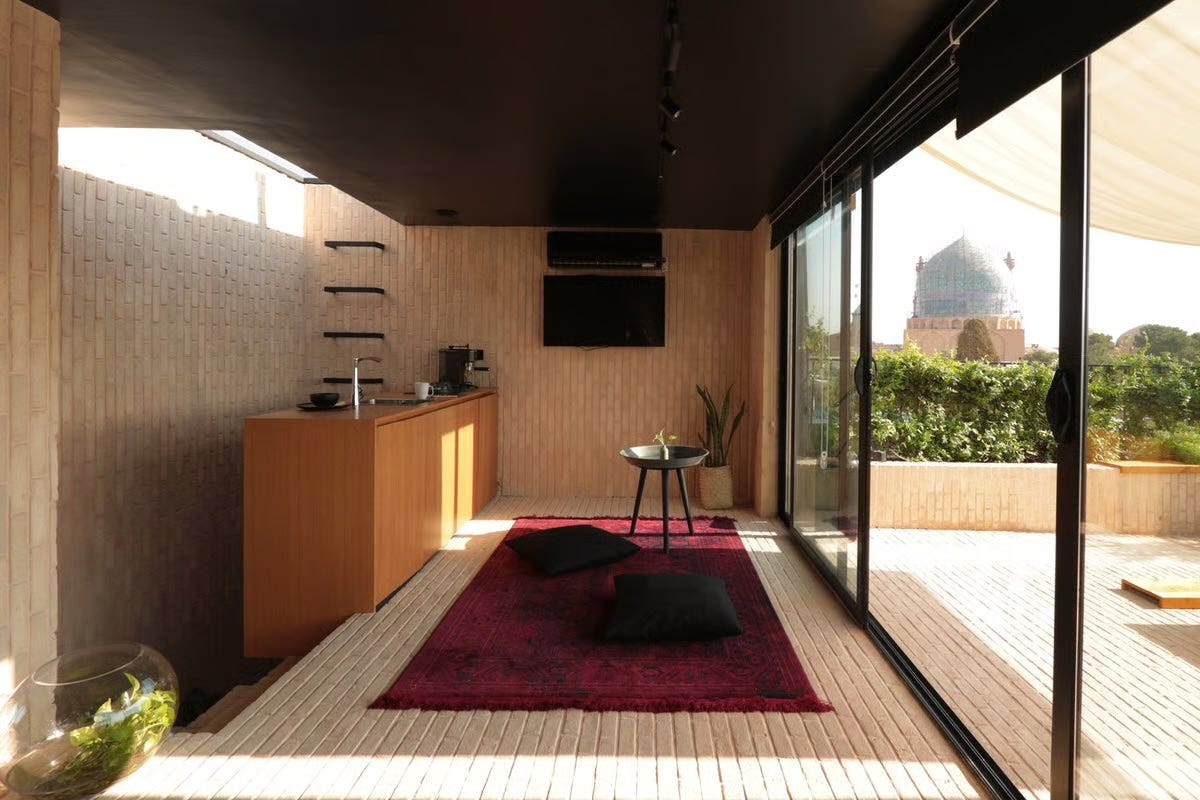
In other cases, contemporary architects extend these traditions into entirely new forms. Tehran, a city of constant reinvention, has long evolved by layering new ideas onto its existing fabric rather than replacing it outright, extending not just the city, but the social rituals that shape it. Projects like Kharposhteh Apartment by SE-BÆR Studio in Isfahan reclaim the rooftop as a social layer of the city.
These projects represent something fragile: contemporary architects in active dialogue with their own history, at a moment when that history is under threat.
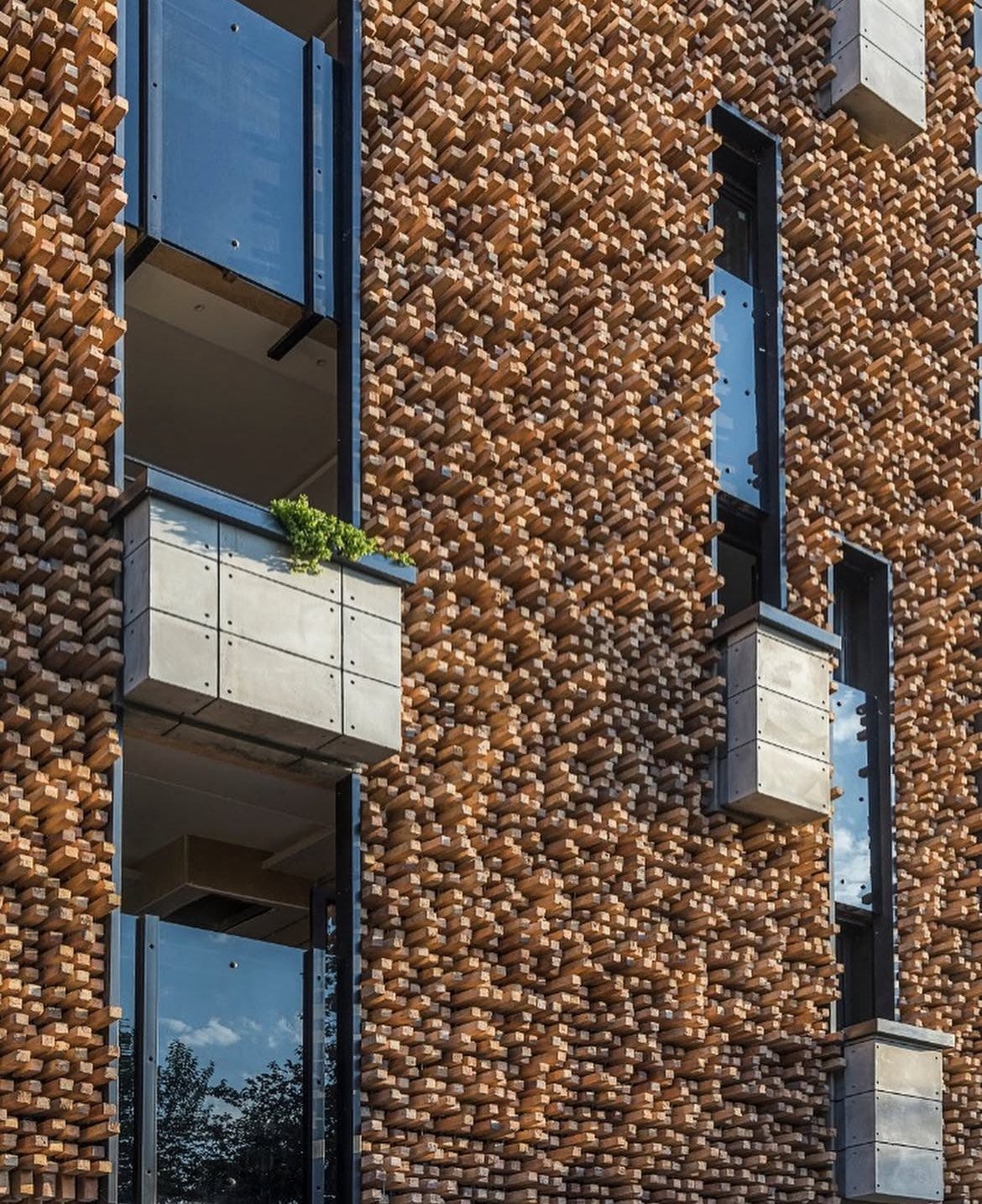
At risk too is the brickwork, part of a long evolution of Iran's deeply material-forward building culture, that gives many of its cities their distinct identity. Now a global reference for what expressive mid-rise architecture can aspire to, contemporary architects like Tachra, Davood Behvandd, and Mehdi Qaimi are pushing the envelope on what brick, form, and craft can become.


When buildings like these are destroyed, we lose the physical record of how people lived — how they gathered, cooled their homes, built with the materials around them, and shaped cities to reflect their culture.
I’m saddened by the destruction, but I’m also optimistic. Iran has always been a country of reinvention. In places like Poland, Georgia, and Ukraine, we’ve seen movements of designers and architects return to rebuilding with renewed energy and conviction.
I was reminded of a quote from a Dezeen interview with the Ukrainian architect, Dmytro Bonesko:
“Designers have definitely become bolder and more interesting. Perhaps this is because, in conditions of war and prolonged stress, everyone realises that their life is limited.”
“There’s something very powerful in that – the desire to create a home when the world feels uncertain.”
I keep returning to that idea, the desire to create when everything feels uncertain. It's what Iranian architects have always done, and I believe they will again.