


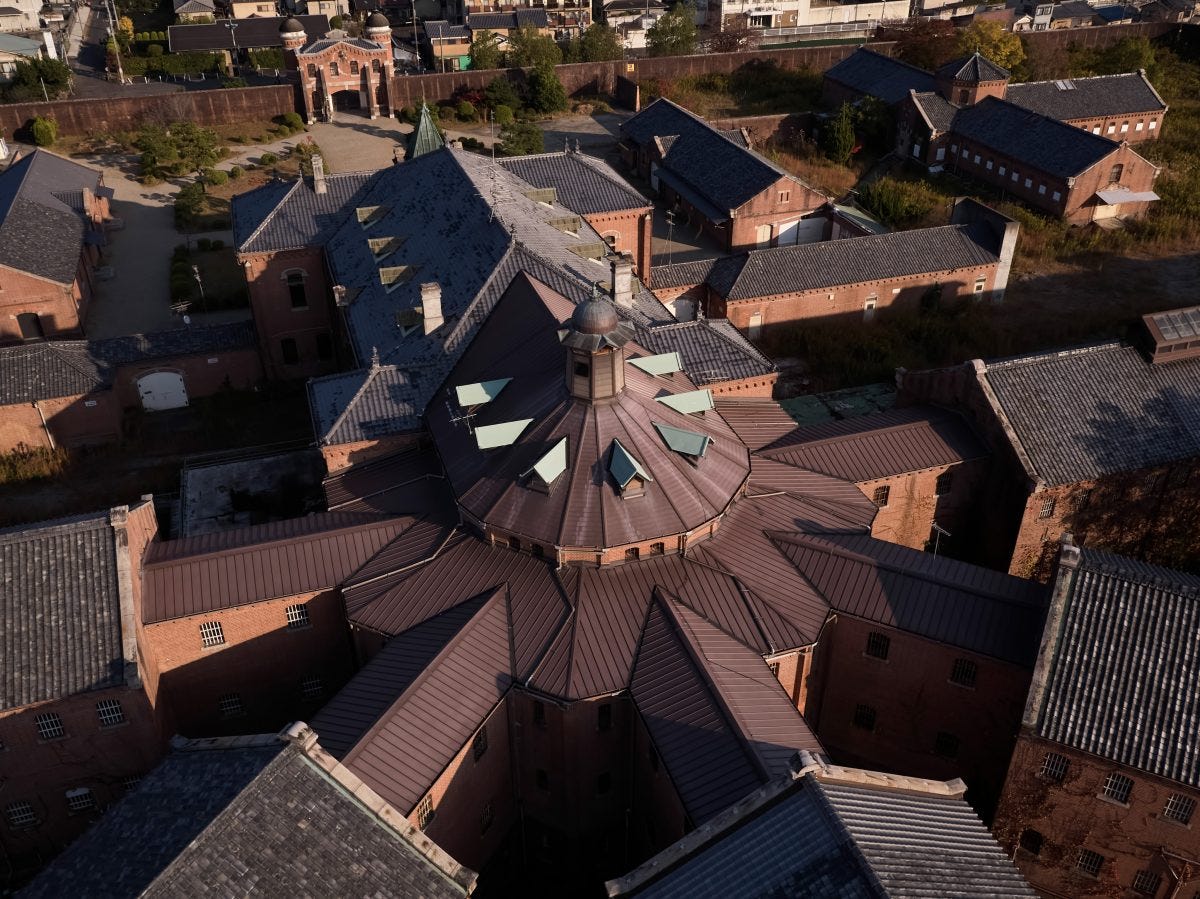
“Here’s your key” will be spoken for the first time at Nara State Prison in Japan this summer.
In June 2026, Hoshinoya opens its newest hotel on the site of the sole remaining example of the Meiji government’s Five Great Prisons — a red-brick complex that has stood for more than a century, built as part of Japan’s rapid modernization where architecture became an instrument of order and reform.
I’ve always been drawn to historical prisons. Walking through Alcatraz or Eastern State Penitentiary left a deep impression on me, even before I had language for why architecture mattered. Something about the deliberateness of their design — the prescriptive way space shaped daily life — stuck with me.
It’s an awkward fascination to explain. Prisons are inherently political, and rightly so. But set modern context aside for a moment and they become rigorous studies in living: how light is rationed, how movement is controlled, how circulation and visibility shape daily experience. Many spatial ideas we now associate with modern housing — minimal dwellings, daylight as a regulating force, and tightly ordered circulation — were explored in institutional buildings like prisons, however grimly, long before they entered domestic architecture. As architectural historian Robin Evans observed, it was often in institutional settings that architecture took on an active role, shaping behavior without instruction.
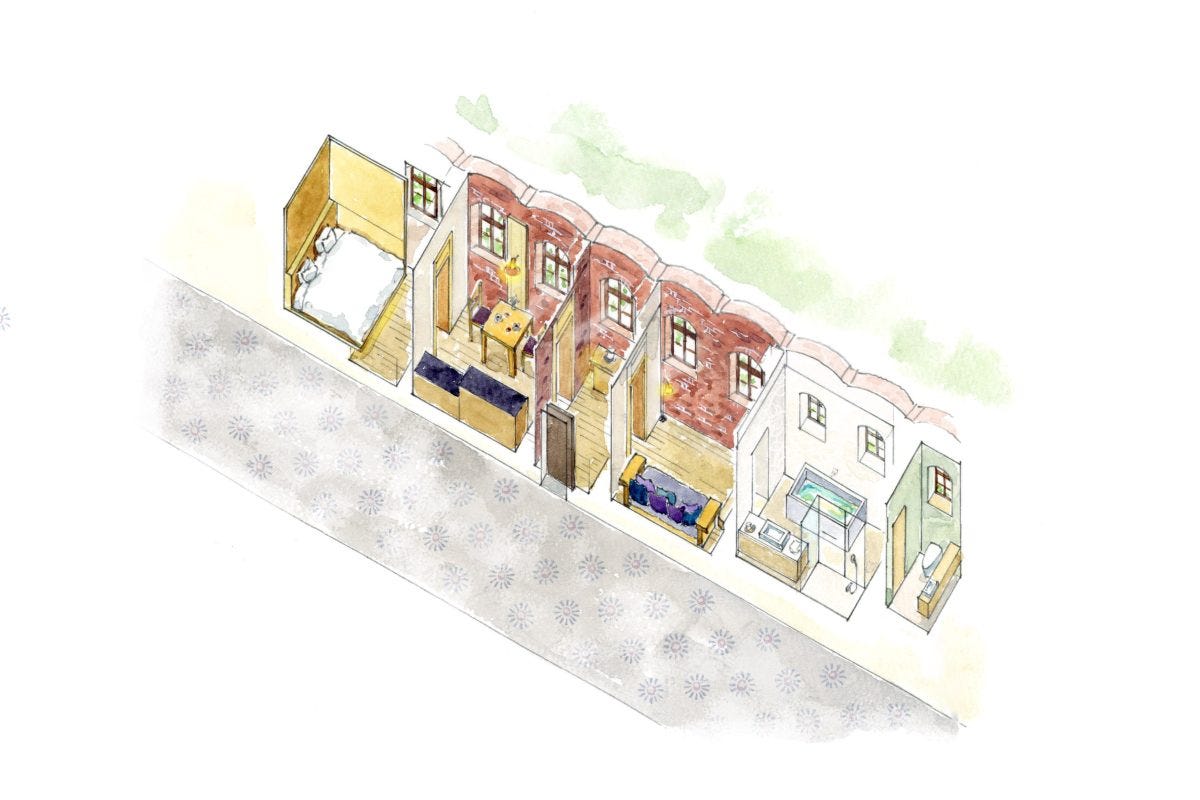
But it’s worth stepping back for a moment. When spaces designed for discipline and control are reabsorbed into everyday life — not as ruins, but as places of rest — they don’t just change function. They change the stories we tell about comfort and history, about what kinds of pasts we’re willing to live inside, and how easily we let ourselves feel at ease.
At Nara, circulation still follows the prison layout. Corridors remain long and narrow, their proportions largely unchanged, even as light is allowed to travel deeper into the plan. It’s a hotel now, but its past remains. Even the materials carry weight: much of the brickwork was produced by inmates themselves, which is hard not to think about when you imagine spending the night inside those walls.
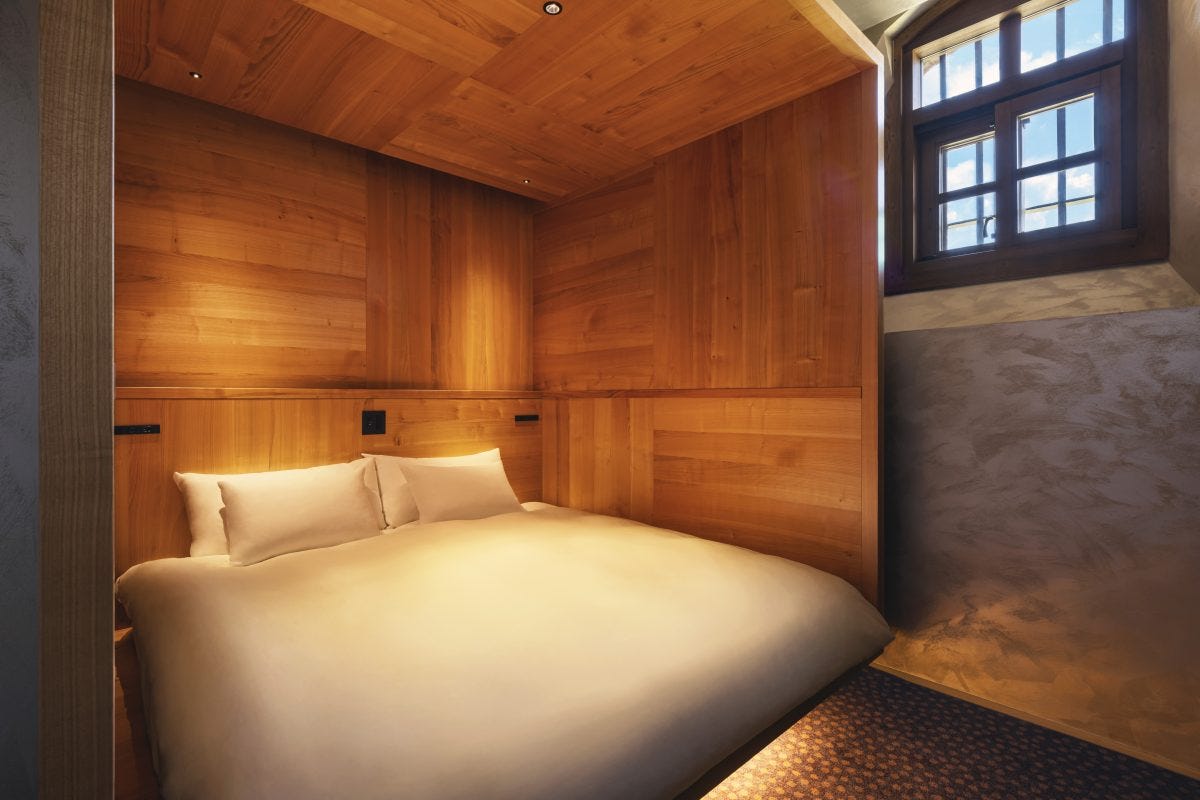
There is, to be clear, responsible context here. Alongside the hotel, a small museum will open on the site, offering visitors a brief window into the prison’s history and social context, a necessary counterweight in a setting that risks turning history into role play.
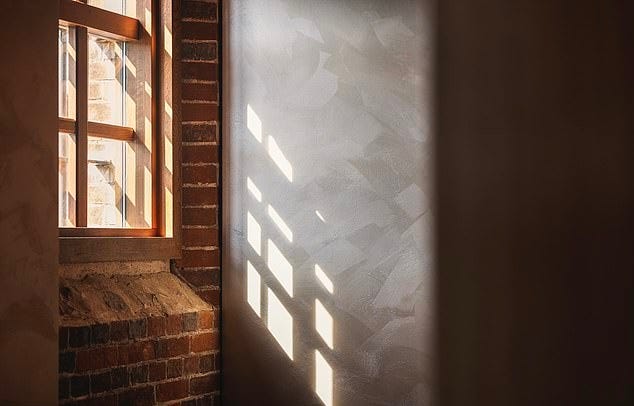
I don’t know yet what it will feel like to stay there. But I’m curious how a place designed for confinement changes when it’s given time, light, and a different reason to exist.
Your cell is ready.
