


Oaxaca has always felt especially LINEAR to us. There’s something about the concrete on the coast, the open-air spaces, and the way the mountains become architecture themselves that gives these buildings an almost monumental quality.
Curious about what makes its architecture feel so singular, we called David Noble, an architect based in Puerto Escondido whose work extends across Oaxaca and beyond.
We spoke about designing buildings that slow people down, opening them to the landscape without making them feel exposed, and what Oaxaca taught him about building elsewhere. Plus, a shortlist of places David would send us in Puerto Escondido.
LINEAR MAGAZINE: You started your career in Mexico City before eventually moving to Oaxaca. What brought you out there?
DAVID NOBLE: I was working in this office in Mexico City. They sent me to overlook a project on the coast. And in those days there was one day which was from morning to evening, full-on work, and then the next day, before taking the plane back to the city, I had a couple of hours to go to the beach and just enjoy the whole scenery. And I just fell in love with it. I felt such a profound sense of peace within myself, that I value a lot in my life, and I told myself: this is the way I want to live. So I basically quit my job in the city. I didn’t have any actual opportunity on the coast, but I had a couple of contacts. So I just came with a leap of faith — this is how I want to live my life — and so I did it.
LM: That search for peace and slow living seems to be a big part of the projects you’ve built there. Where does that come from?
DN: For me personally, I find that I want to convey something in the things that I design. I had a very profound experience with a couple of buildings in my life. And what I felt, it was like that silence, that peacefulness — and that is something that is not like a showy building, nothing like shapes and materials. It’s something more profound, more within yourself, but the atmosphere can trigger those things. And in my practice, it’s always kind of like this flirting of ideas, to try to achieve those for the people that live in these houses — or hotels — slowing them down, making them realize where they’re living, in the moment, just feel that.
LM: What were those buildings that gave you that profound experience?
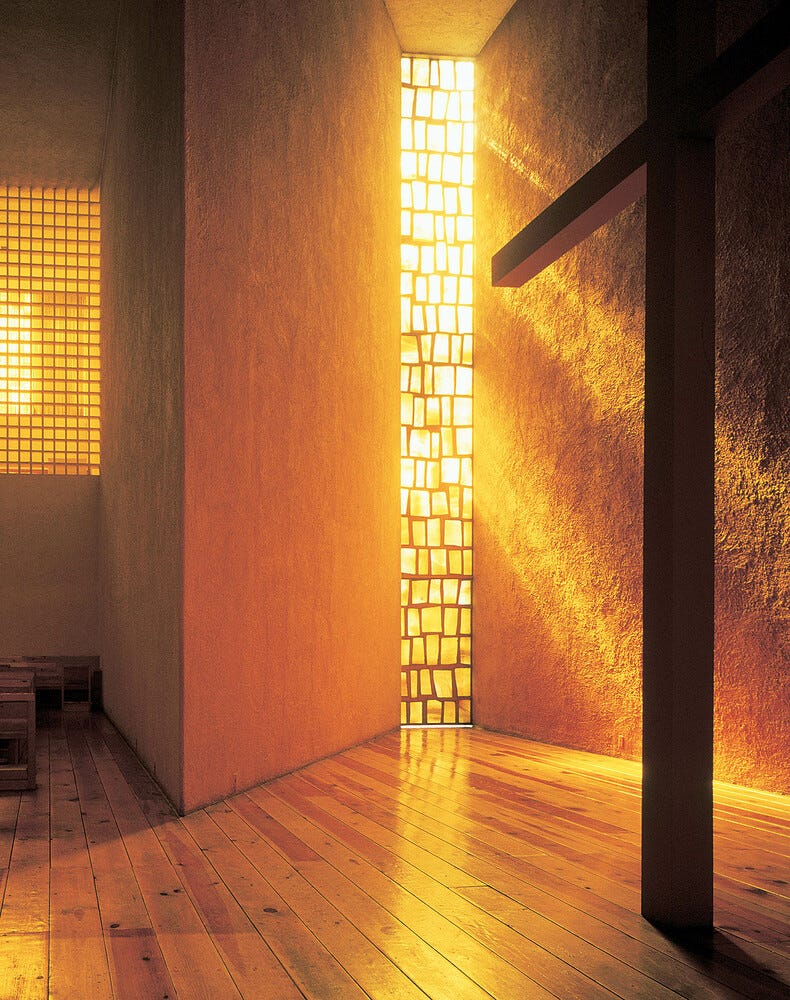
DN: First of all, Casa Luis Barragán. It’s a classic, but it was the very first experience for me, personally, of a shocking architecture that really turned my world around. Barragán has other projects, like the Capilla de las Capuchinas, and other religious projects, that are the same way — they guide you through these environments and lead you to that sense within yourself. Carlo Scarpa has this tomb in Italy — it’s a classic. And there’s another architect who writes about walking and pausing, and a couple of his projects, it’s all about how you walk and then you stop yourself and realize there’s something beautiful around you. It can be a garden, it can be anything. Álvaro Siza in Portugal also moved me a lot.
GOING TO OAXACA — OR ANYWHERE? TELL US WHERE YOU’RE HEADED, AND WE’LL SEND YOU SOME RECS. REPLY HERE, OR EMAIL CONCIERGE@LINEAR-MAGAZINE.COM.
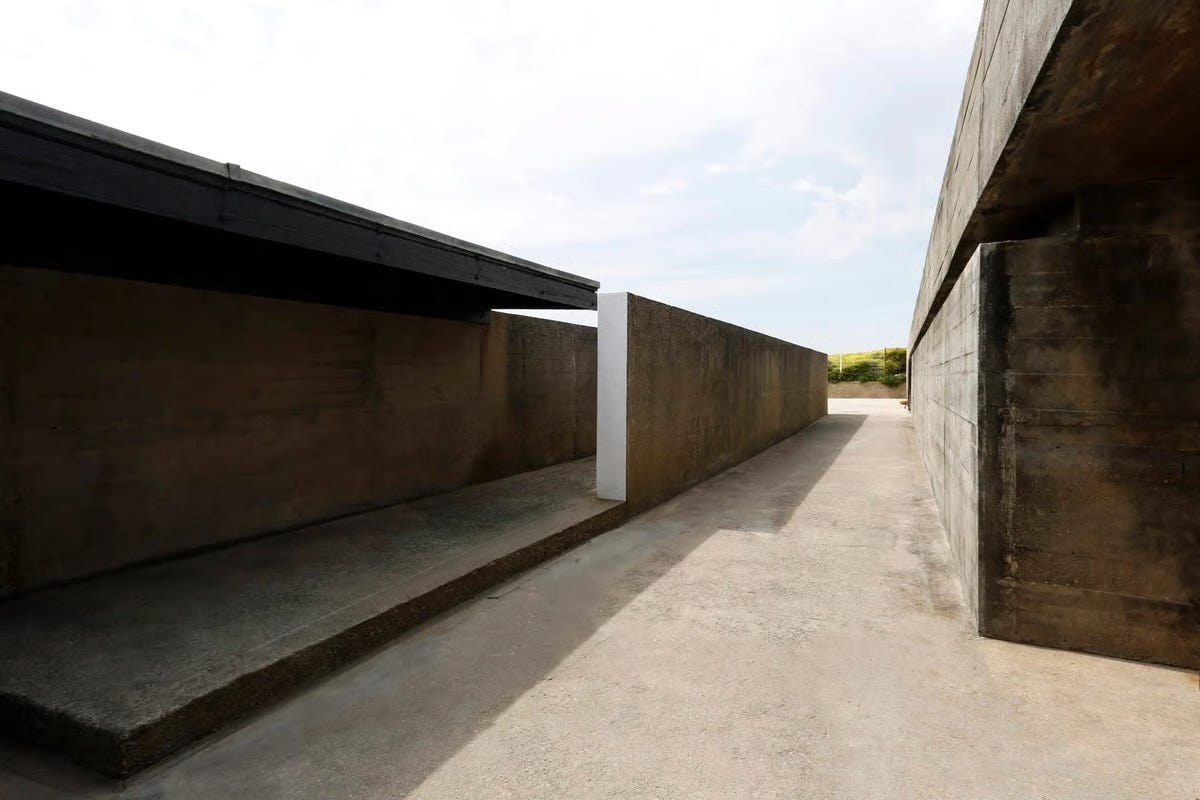
LM: I love his Leça swimming pools in Porto. You look at the photos and it’s a cool scene, to swim next to the rocks, but it’s that arrival sequence that takes your breath away. There’s something so much more important about being in the space that allows you to fully experience it.
DN: And it’s so hard to picture. It’s so hard to take a photograph of that, because on a photo, being in that hallway, it’s just a hallway. It’s so pale, so hard to just take a picture and convey the feeling. So this architecture is what actually moves you deeper, on a learning level.
LM: Was there anything you had to unlearn about architecture or design once you started building in Oaxaca?
