



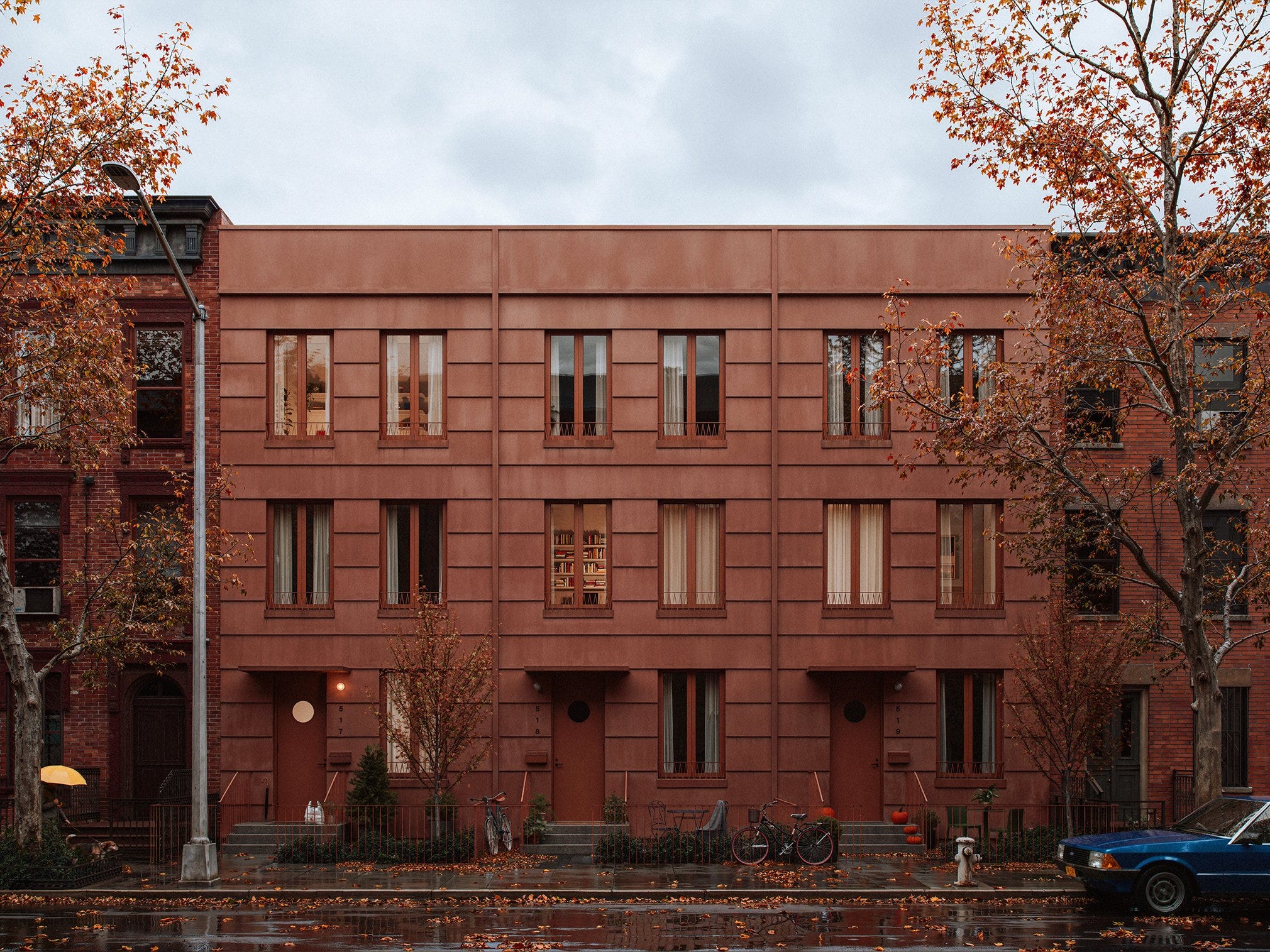
Somewhere in your thirties, the city gives you a choice that doesn’t really feel like a choice.
You can stay in the apartment you’ve outgrown, in the neighborhood that no longer quite fits the life you’re building, or you can leave. Most people leave, and not for lack of love for the city. The math just stops working.
The United States is short 4.7 million homes, according to Zillow. Not in aggregate in some economist’s spreadsheet, but in the prime places where people actually want to live. The cities where the jobs are, where the culture is, where your friends live. In 2023, 1.8 million new families formed in America. Builders only completed 1.4 million homes. The gap didn’t make room for the new arrivals, let alone chip away at the shortage of homes left over from the Great Recession. And the product hit hardest by this isn’t luxury condos or Section 8 units — it’s the starter homes. Family-sized places inside the city. The rung on the ladder between your first apartment and the house in the suburbs you’re not sure you want. In 1976, small starter homes made up more than a third of all new construction. By 2024, that share had collapsed to around ten percent. An entire category of houses, and the life they enabled, quietly disappeared.
This is the graduation ceremony no one wants to celebrate. You live in the city until you can’t afford to any longer, and then you’re forced out.
The founders of the American Housing Corporation (AHC) decided this was an engineering problem.
