


In 2025, we added more than 200 projects to the Linear archive. We welcomed thousands of new Architecturally Curious readers across our communities. It became clear that people are hungry for a deeper relationship with the spaces around them — curious not just about how places look, but how they feel, how they’re made, and how they shape everyday life.
Looking back across our archive, clear patterns begin to surface: an enduring interest in material honesty, a deep connection to place, and modern interpretations of familiar forms. In cafes and wellness spaces especially, we found ourselves drawn to environments that felt quietly transportive, offering brief moments of escape from the everyday.
Rather than a comprehensive roundup, what follows is a reflection on the spaces that stayed with us, the ones that revealed something about how we want to live, gather, and move through the world right now.
RESIDENCES
Across residential work this year, we were drawn to homes that trusted material, light, and proportion to do what excess often tries to compensate for.
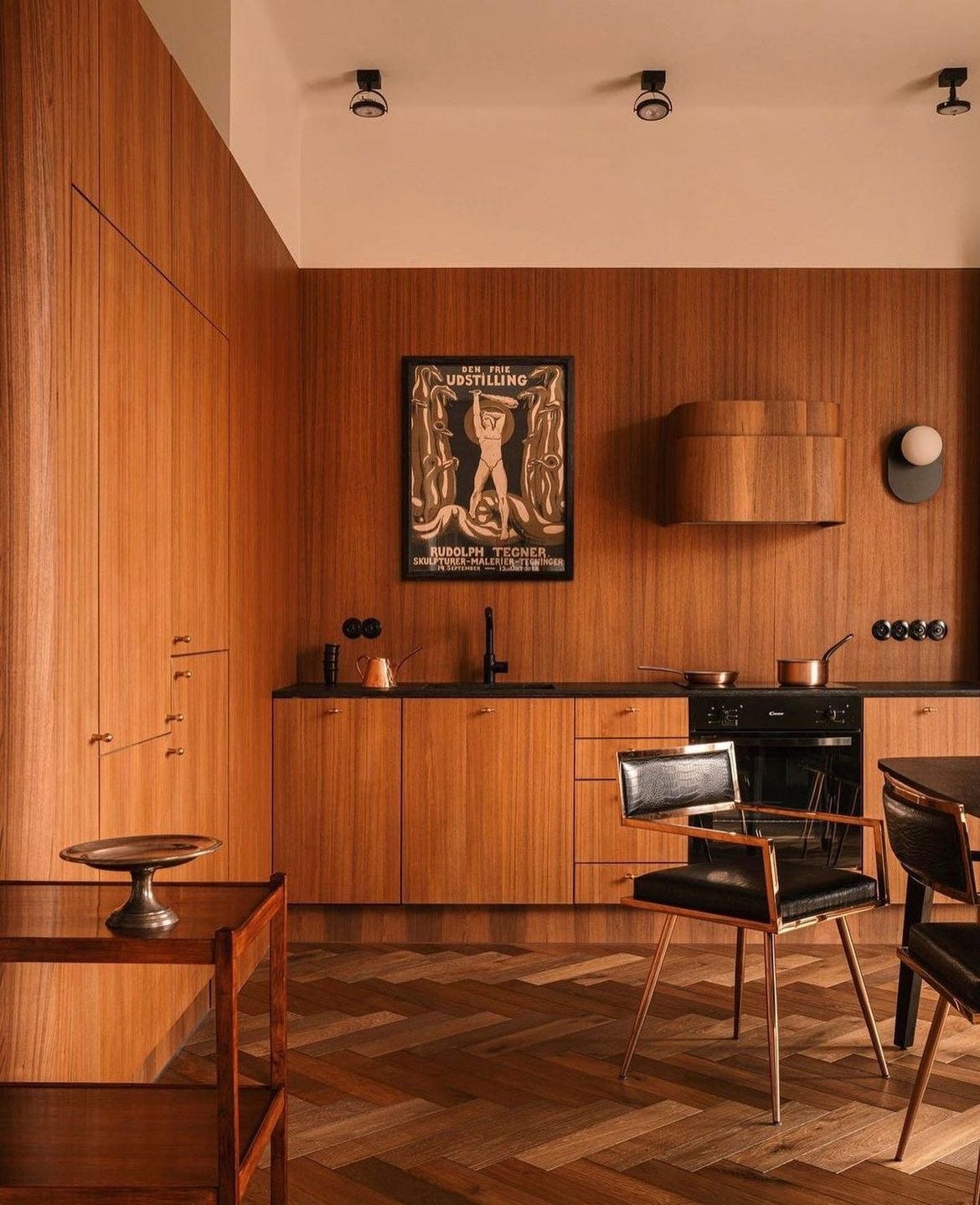
Colombo Studio’s Warsaw Apartment draws from the modern modernist lineage of Austrian architect Adolf Loos, treating wood not as ornament but as atmosphere. Warm tones, subtle curves, and unexpected moments of color and geometry give this space a lived-in softness — timeless without feeling precious.
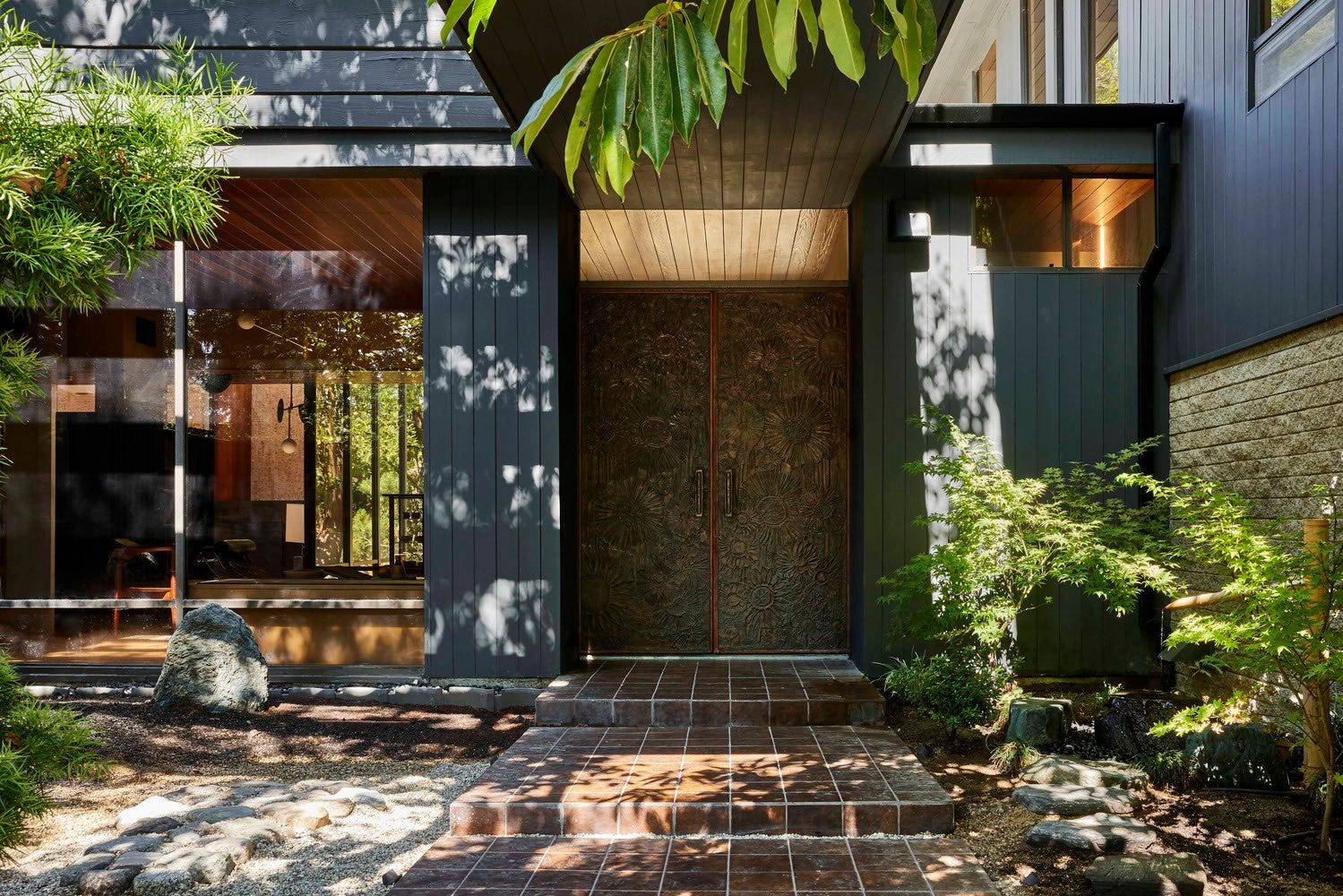
In Los Angeles, OWIU’s Glass Ridge House is conceived as a quiet sanctuary, where water, landscape, and daily ritual shape how the house is entered, occupied, and slowly revealed. Floor-level living, ever-present views, and moments of craft blur the boundary between architecture and landscape, encouraging a slower, more introspective way of inhabiting the home.
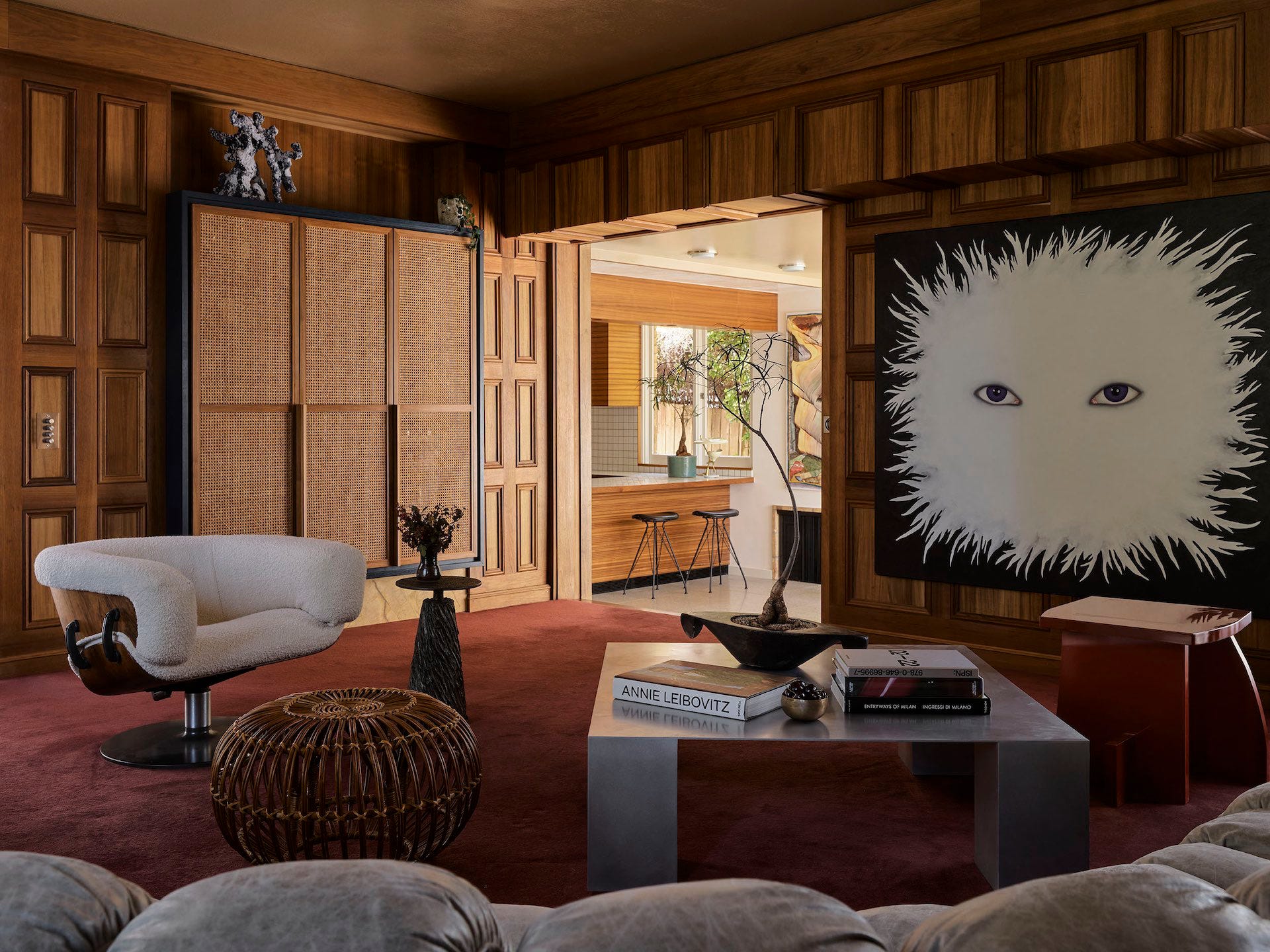
The Pettigrew-Boyd House in Melbourne, originally designed in 1943 by Robin Boyd, finds new life through a layered interior reimagining with Simone Haag and Flack Studios. The home feels exciting, “flacked-to-the-max,” layered and eclectic, without losing sight of the home’s original domestic clarity.
We’re shaping Linear’s guides and newsletter formats for 2026. If you’ve been reading for a while, we put together a short, optional reader pulse to help us decide where to focus next. Take the two-minute survey →
STAYS
Our favorite stays this year felt grounded, designed as extensions of their cities rather than escapes from them. They rewarded curiosity over isolation, connecting travelers to the community.
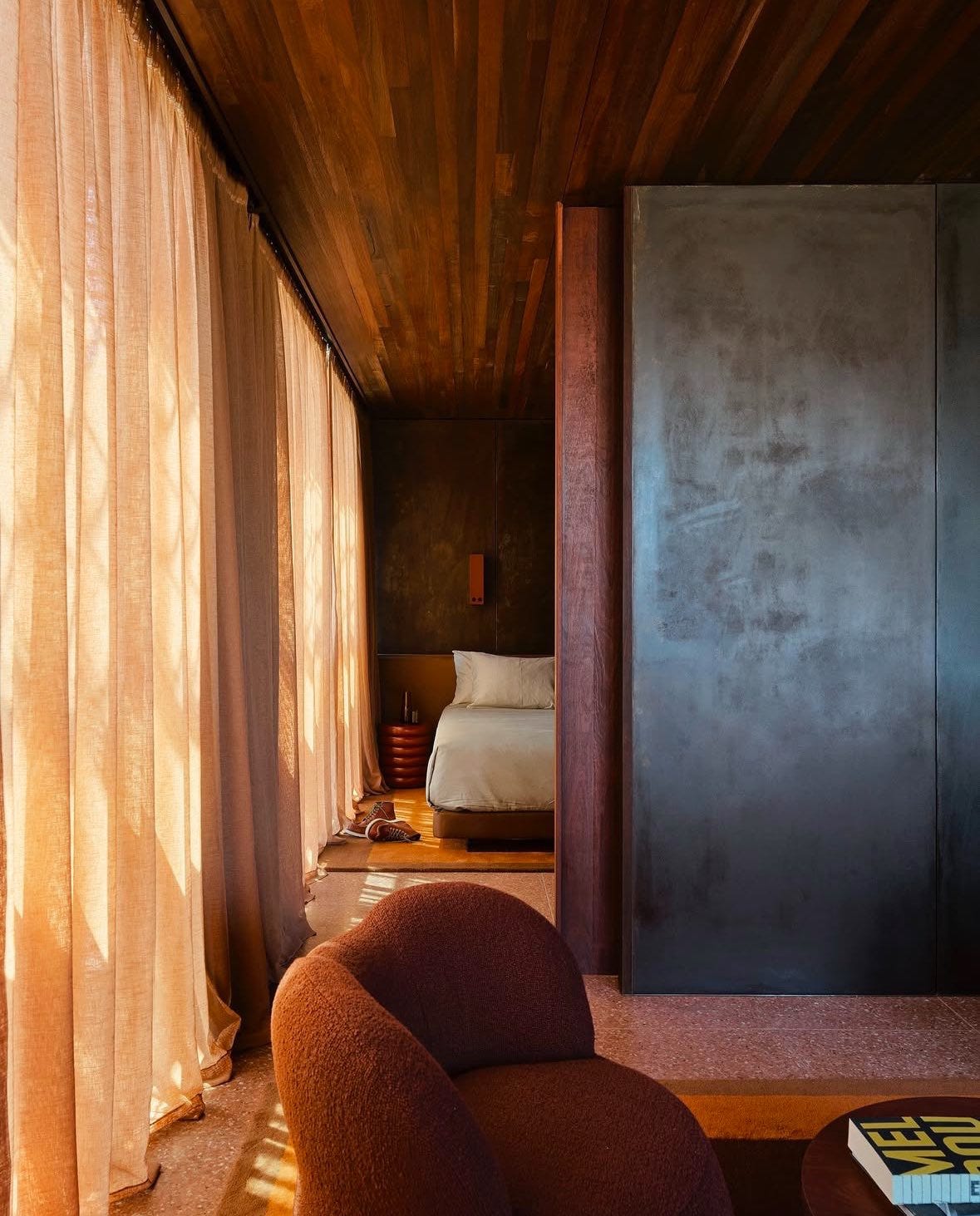
Melbourne Place, by Kennedy Nolan, carries the ease of a well-appointed apartment. Layered textures and mixed materials create interiors that feel cocooning yet urban, shaped as much by light and atmosphere as by form. It feels unmistakably Melbourne.
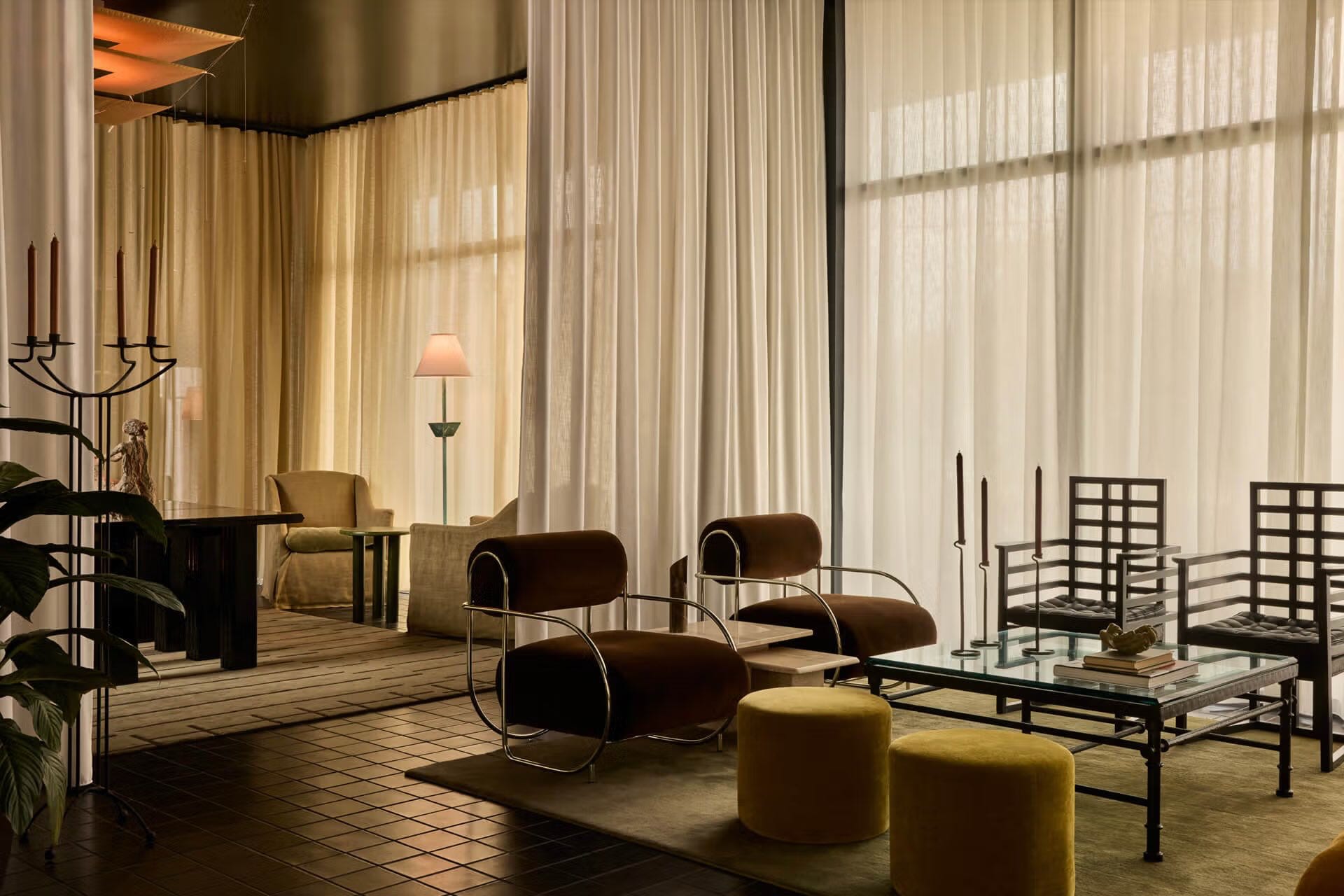
In Houston, Hotel Saint Augustine, designed by Lake Flato with interiors by Post Company, reads less like a hotel than a collector’s private home. Defined by objects of intrigue rather than spectacle, it recalls a moment when Houston was finding itself through oil, money, and art, drawing on art deco and eclectic influences without tipping into nostalgia.
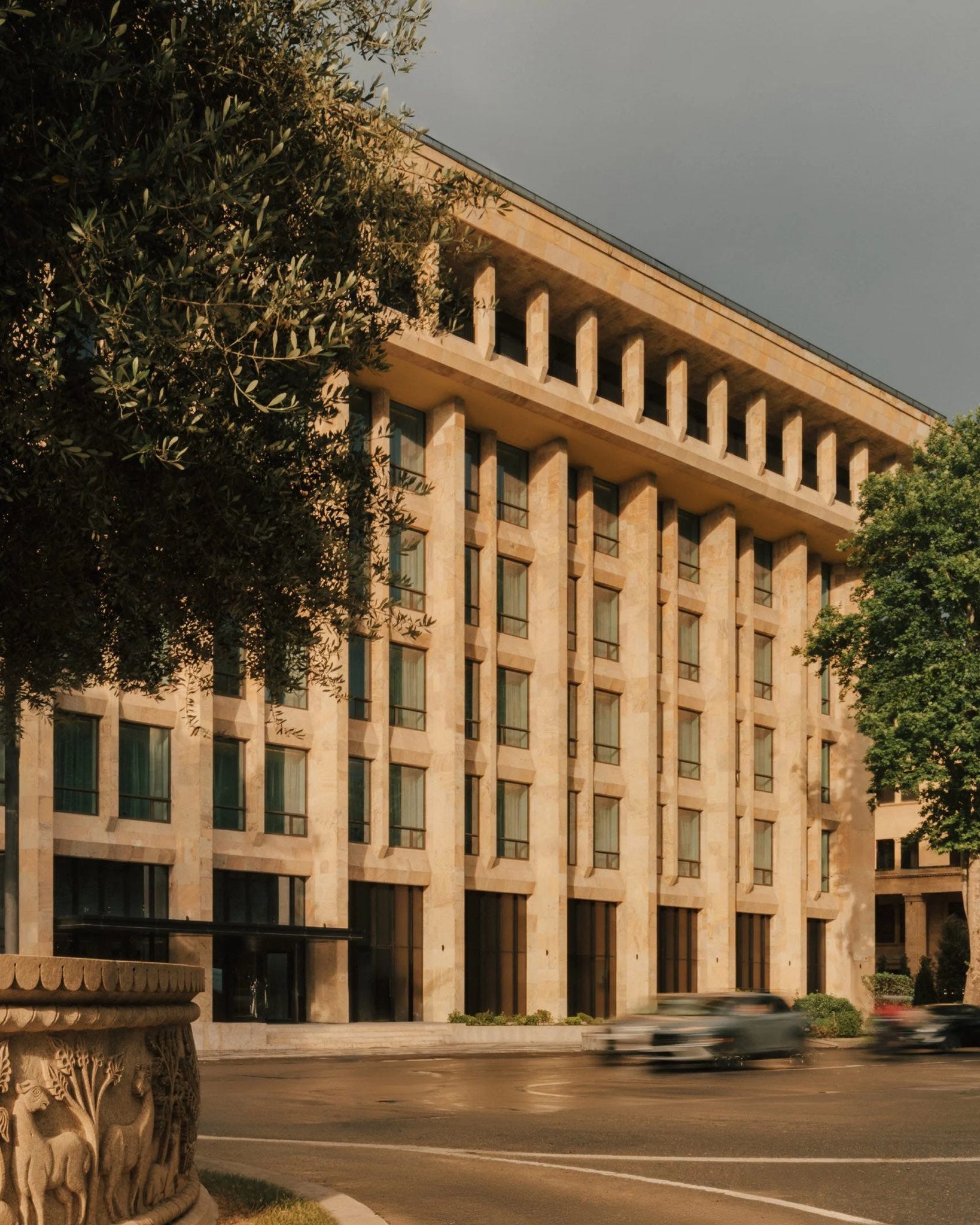
We kept coming back to Neri&Hu’s Telegraph Hotel in Tbilisi, which transforms a former Soviet-era post office into a civic hub for travelers and locals alike. Light-filled courtyards and communal gathering spaces breathe life back into the structure, while restrained interior interventions preserve a sense of modern ruin, allowing history and daily life to coexist.
RESTAURANTS
This year, we were drawn to restaurants that embraced recognizable typologies — diners, steakhouses, neighborhood favorites — and treated them with renewed seriousness.
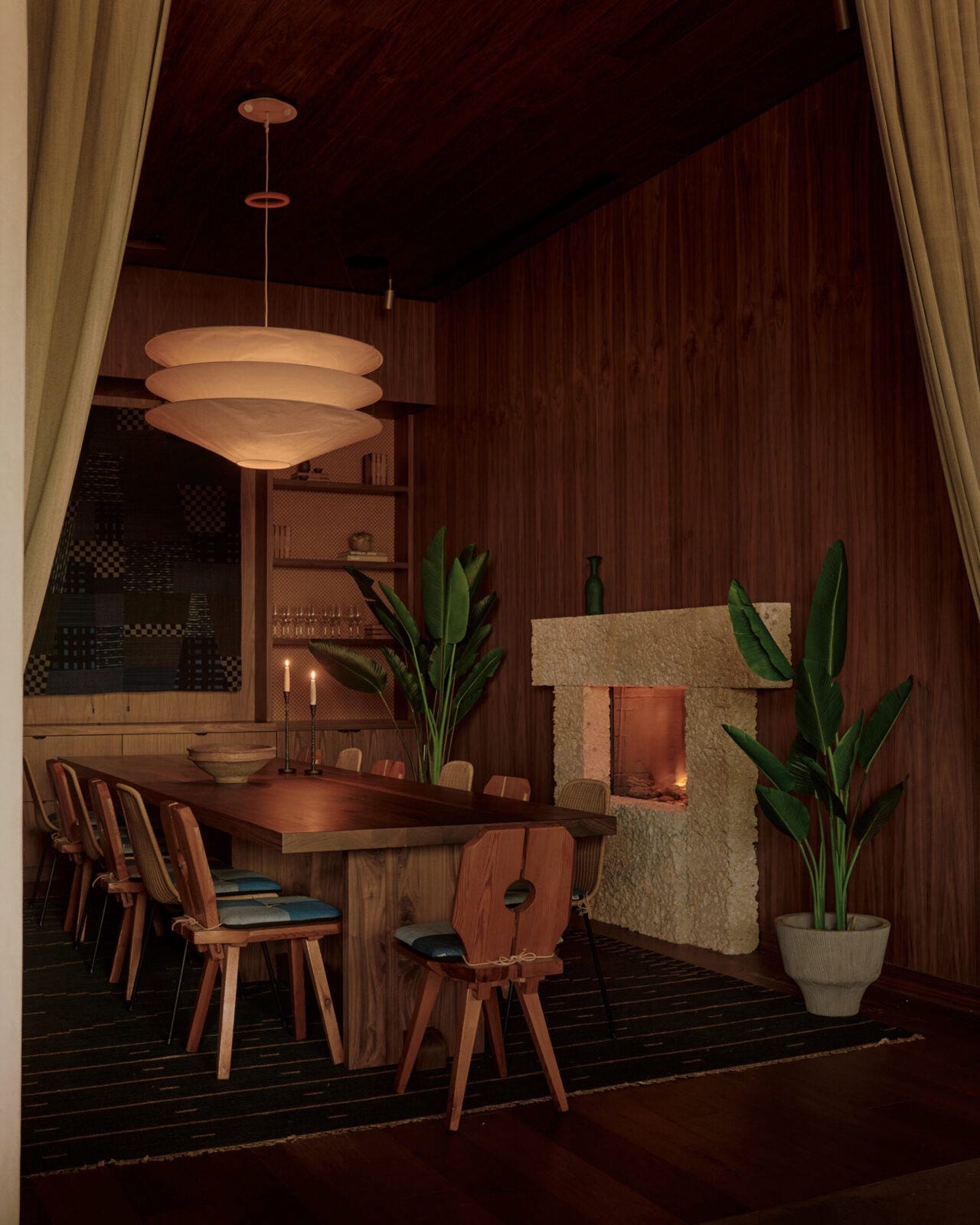
At Uchiko Miami Beach, Form Group Architecture and Islyn Studio blend tropical brutalism with Japanese and Art Deco influences, creating a space that feels rooted in its marina setting without tipping into pastiche. Rhythmic concrete, shifting reflections, and handcrafted details give the space a distinctly Miami pulse — imperfect, tactile, and quietly refined.
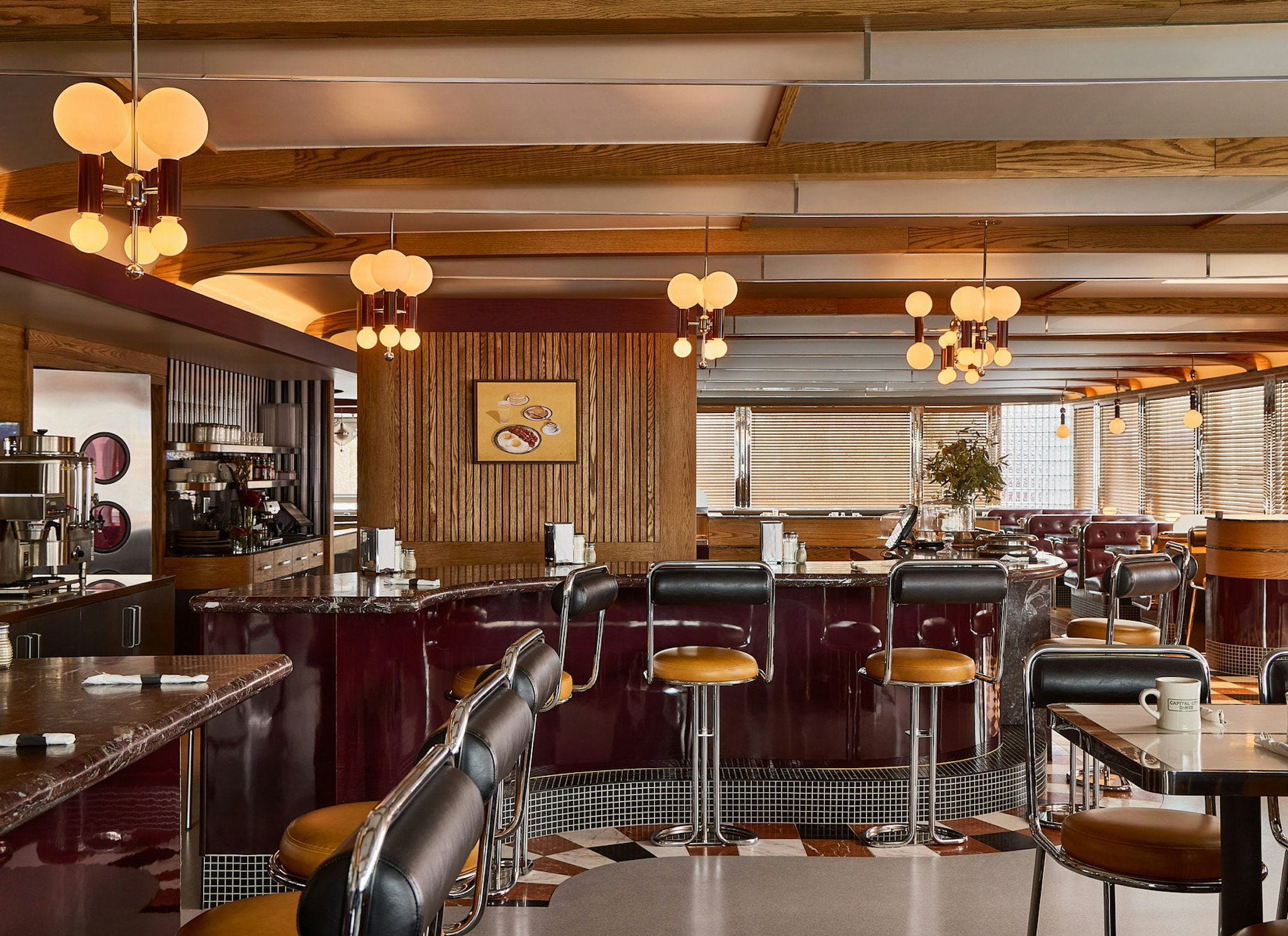
Capital City Diner in Albany, designed by Parts and Labor Design, leans into chrome, curves, and saturated color. Drawing from an era of American optimism, the space celebrates everyday ritual, conversation, and community.
BARS & CAFES
In cafes and bars especially, we noticed a recurring desire to turn routine into ritual — to make the everyday feel slightly otherworldly.
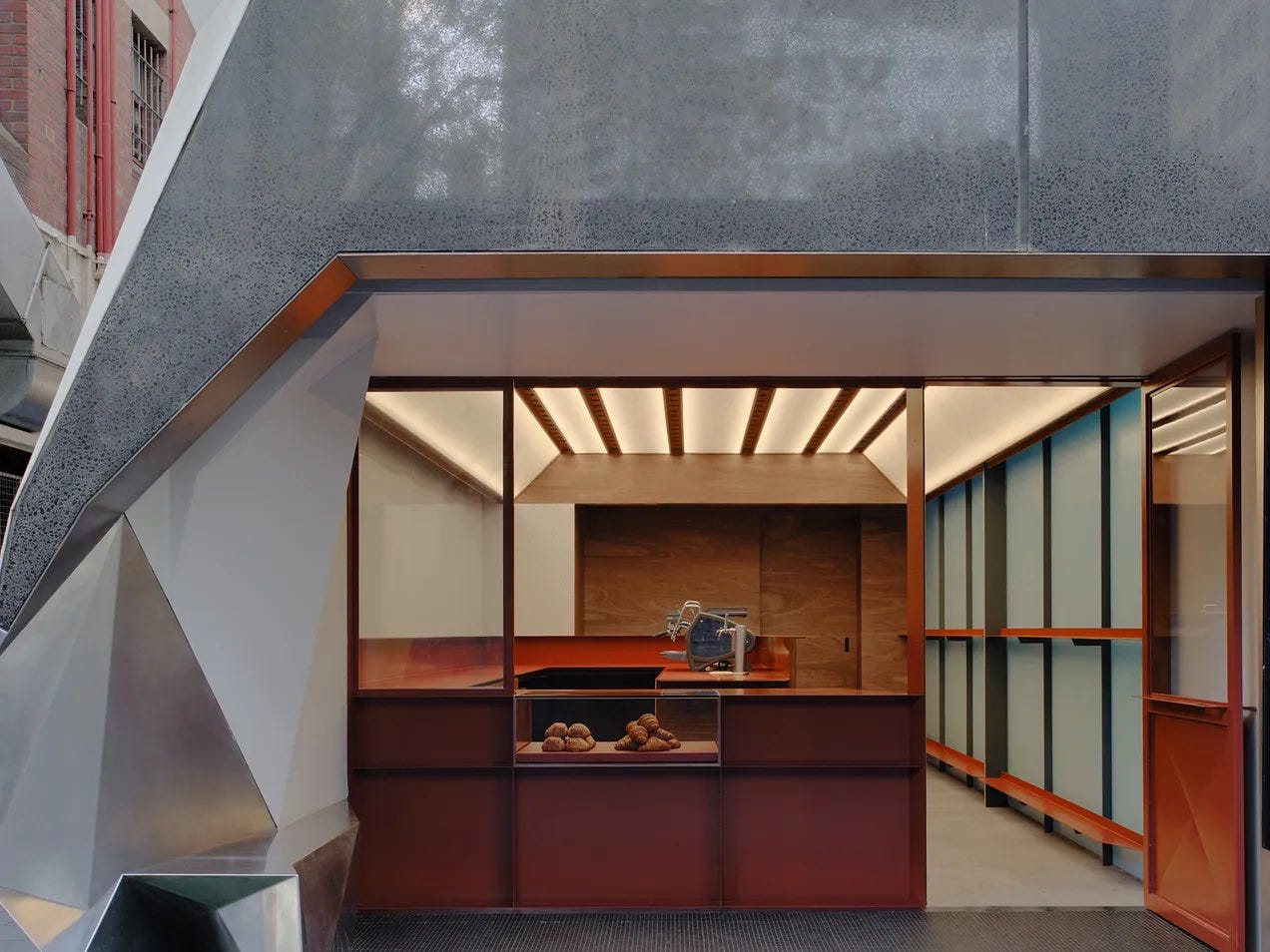
KKAP’s Palace Coffee in Melbourne collapses the boundary between laneway and cafe. A recessed threshold and street-facing service window to pull public life into the ritual of coffee, turning barista, patron, and street into a shared performance.
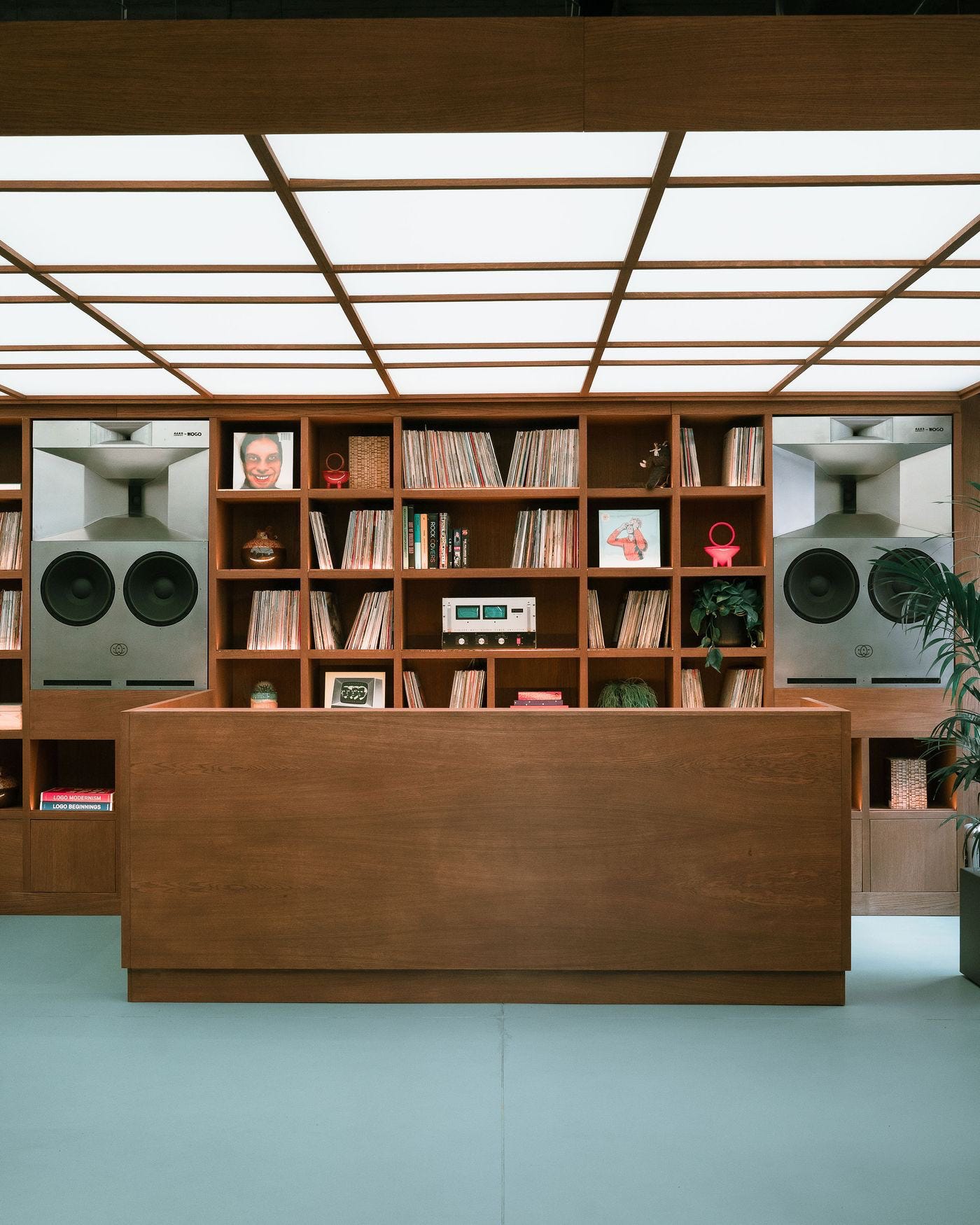
MOGO Hi-Fi in Milan, by Giorgia Longoni Studio, balances crisp, high-fidelity sound with an undercurrent of organic energy. Cool, industrial surfaces are softened by warm materials and hand-woven textiles, creating a space that feels ritualistic, authored, and quietly alive.
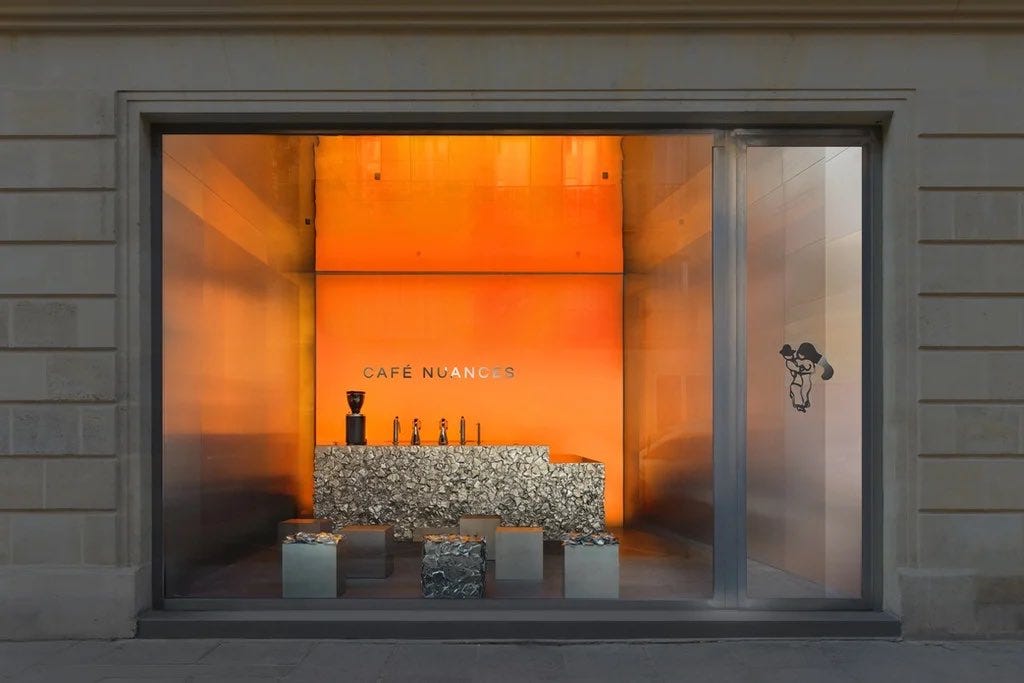
At Café Nuances in Paris, Crosby Studios turns light into architecture. Luminous orange walls, mirrored ceilings, and crushed-steel forms create an immersive interior where reflection, texture, and form collide into a futuristic yet physically engaging cafe experience.
LOOKING AHEAD
These projects represent just a slice of what caught our attention this year, but together they point toward a clear sensibility: spaces grounded in place, rich in material, and designed for lived experience over image.
These projects were shared in real time as we discovered them on X and Instagram. In the year ahead, we’re excited to take a step out of the archive and into these spaces through a growing set of Concierge invites, intimate gatherings, and guided visits designed to be experienced in person.
Keep an eye out for upcoming IRL events and tours as we bring Linear off the page and into the places that inspired it.
And whether you’ve been reading along for a while, or just joined us this year, we’re glad you’re here.
Until next time. Stay curious.
Justin & Hunter