


Happy Sunday! I hope your official start to the summer is warmer, and sunnier than mine here in New York.
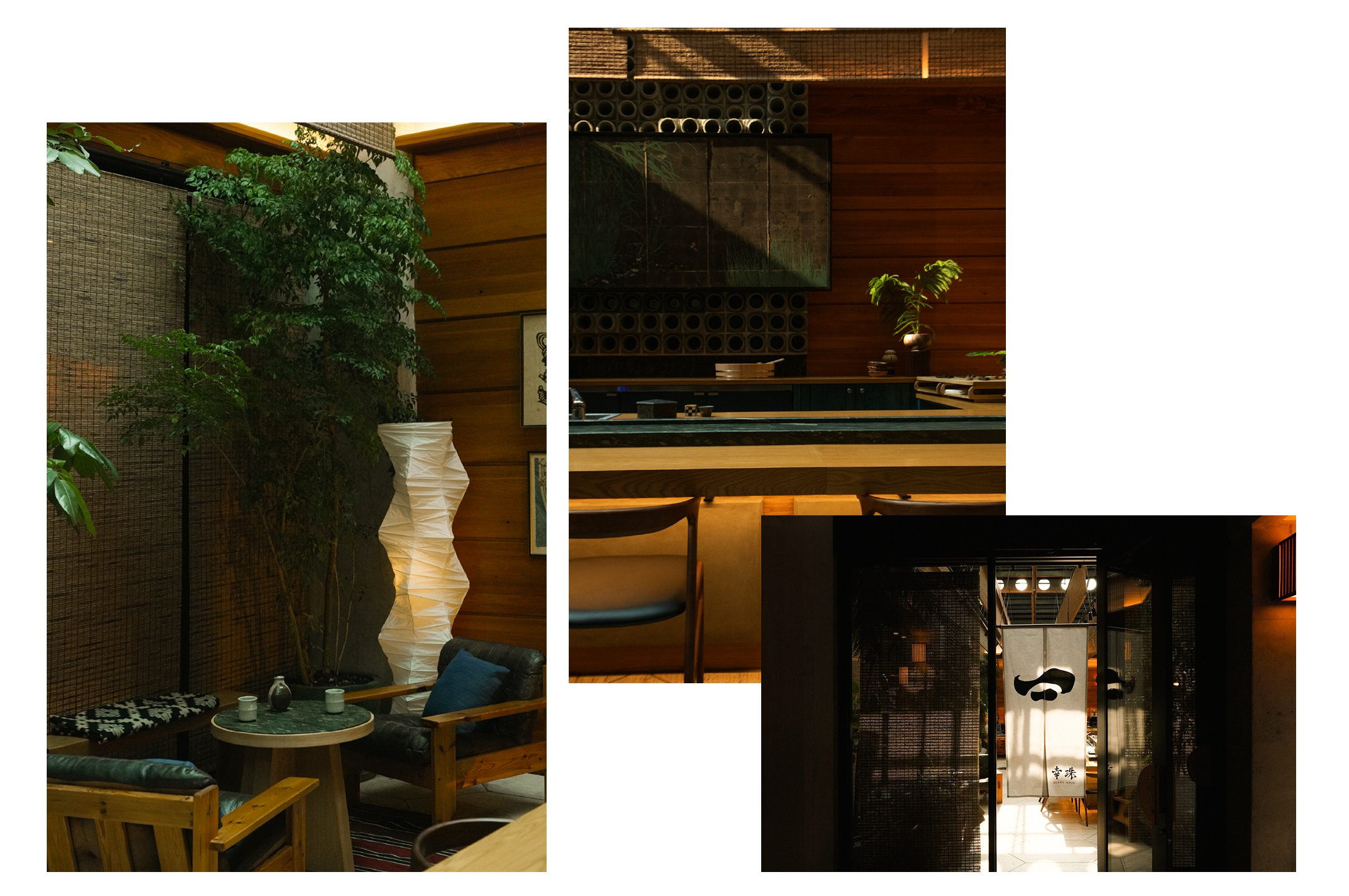
This week, I had the pleasure of checking out Sushi Koju, the new sushi spot in Ace Hotel Brooklyn. Incredible atmosphere — Studio Tre on the interiors. Highly recommend for the service alone.
Speaking of the Ace Hotel, they’re on Substack now, publishing Room with a View. Shama Rahman is heading up their interview series, Frame of Reference, where they interview artists from their Artists in Residence Program.
They claim to be the first hotel on Substack, which if true, feels both surprising and overdue. Hotels are already in the business of world building anyway. It makes sense they’d want a place to talk more directly about what’s inspiring them, who they’re collaborating with, and what they’re actually paying attention to. Give them a read if you’re into that kind of stuff.
And in case you missed it, we just published THE DEFINITIVE LINEAR STAYLIST, an evolving collection of 120+ stays across 40+ destinations we think are worth traveling for. (Paid subs only, but if you have upcoming travel plans, send me a note and I’m happy to send over a preview of where we’d stay.)
Thanks to Drafted for sponsoring this week’s issue. Drafted lets anyone generate and remix home layouts instantly, then export them to PDF or CAD.
AMERICAN SUMMER
There’s a fantasy of American Summer that’s been moodboarded to include vintage Broncos, gravel roads, outdoor showers, and late-night beach parties you sneak out to attend. (Insert your chosen coming-of-age movie reference here.)
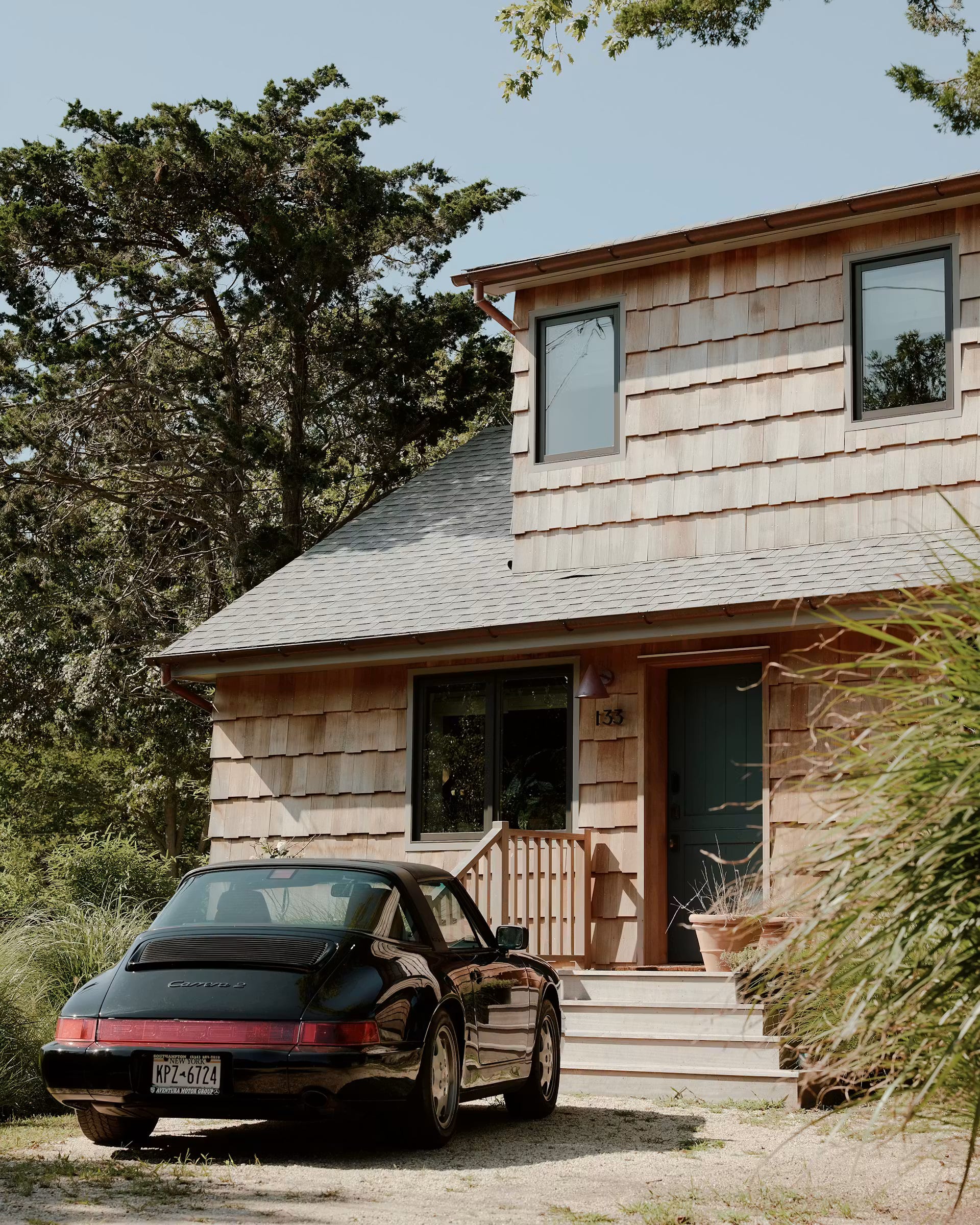
Of course, online, the whole thing has become its own lifestyle aesthetic. Surf Lodge hasn’t exactly been a sacred spot in Montauk since the group house crowd took over. Popeyes just announced a collaboration with them this summer.
Still, behind the performative posting, I think what people are chasing is real. Not the aesthetic itself so much as what it points toward. Exposure to the elements, spontaneity, wet floors, sandy feet, scraped knees. Living a little.
Consider the outdoor shower, now a fixture of the summer Airbnb moodboard. It may technically exist to keep sand and mud out of the house, but I increasingly think its real purpose is to provide a socially acceptable excuse to stand naked outside.
APOLOGIES TO OUR WEST COAST READERS
I didn’t set out to only feature homes in the Northeast, but I do think it provides a prime environment for this kind of lived experience. The feeling of wanting to get outside is amplified when you’ve spent all winter cooped up in your New York apartment, schlepping at your day job.
If Sea Ranch exists because Californians felt a pull toward the beauty of the land, weekend escapes in New York feel designed around the opposite: the desire to leave the city. The spaces and buildings, in turn, are designed to support everything the city can’t: getting outside, slowing down, wandering around barefoot, staying out too late.
For the Beachside Hotel in Nantucket, Parts and Labor Design finds the escape in the artists and craft movement of 1960s and 1970s Nantucket, designing custom furniture and fixtures that add a level of nostalgia for a time when latchkey kids roamed free. In Dezeen:
“We chose furniture, fabrics, and materials that are reminiscent of our childhood, even pulling from movies like The Sandlot for inspiration,” said Blue Flag Capital co-founder Brad Guidi. “There is something comforting and nostalgic when watching Sandlot so we asked ourselves, how do we evoke this feeling at our hotel?”
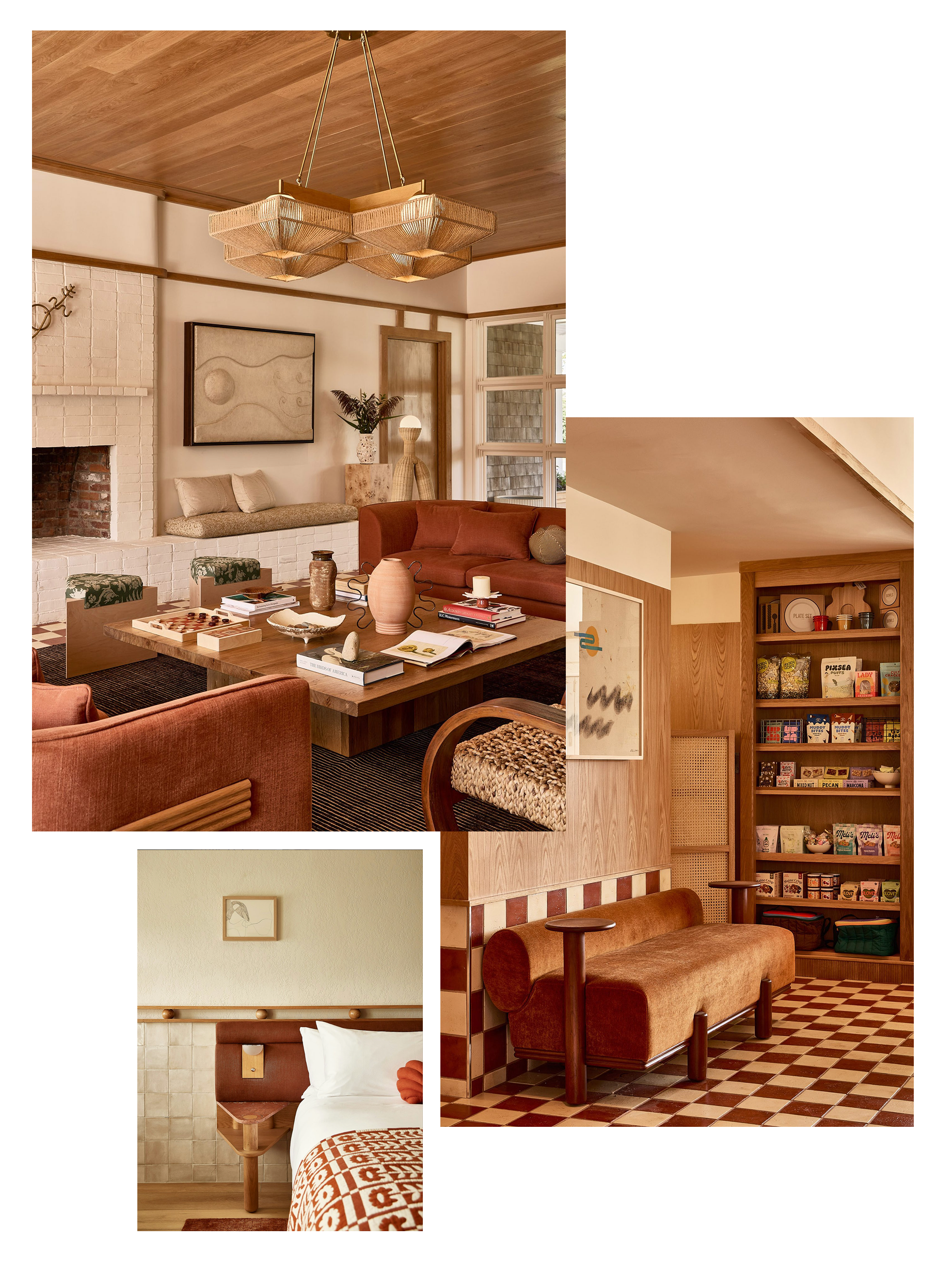
The references in the hotel itself are pretty on-the-nose — it’s toeing the line for what I’ll usually tolerate beach theme wise — but that’s sort of the point. It’s a version of summer that feels communal, imperfect, and nostalgic for childhood freedom.
But this feeling exists beyond the beach too. In contrast to the now performative, polished, and status-oriented era of the Hamptons, General Assembly reworked a 1960s bungalow in Amagansett to pull from the principles of Sea Ranch and create a weekend home that feels both hand-crafted and refined.
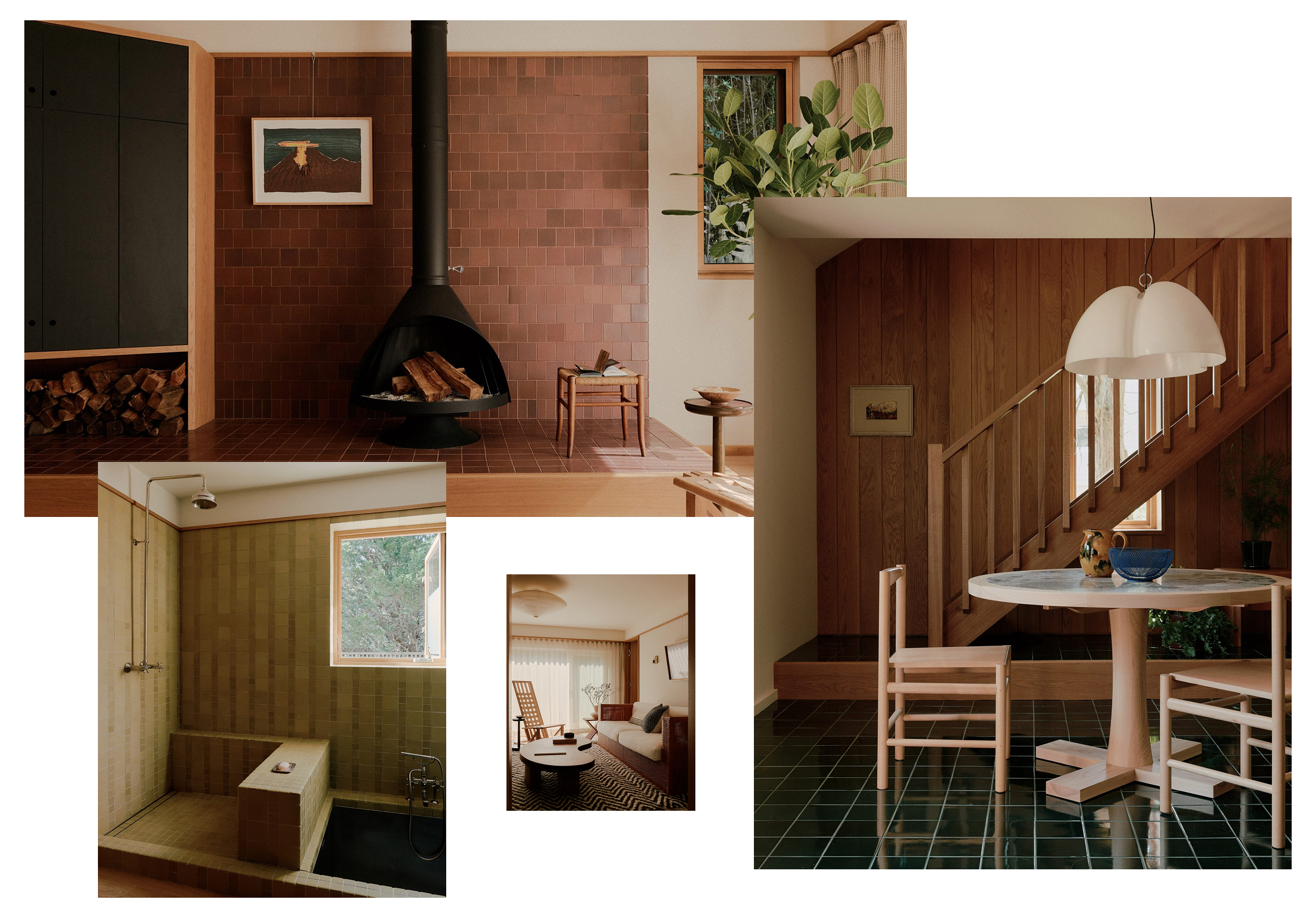
It’s a nod back to its more bohemian days: an East End of artists, eccentrics, and “romantic modernists” trying to, as Norman Jaffe put it,
“hug the earth, embrace the sky.”
Of course, both of these projects were carefully designed, but there’s a point where the image starts to overpower the feeling.
As I write this, I’m considering whether to include Studio McKinley’s Captain Balfour, also out east, in Montauk. It’s undeniably a cool project, even if it is a little more shiplap than I think we should feel comfortable with. But there’s something about a “shoppable” set designed by the founder of Surf Lodge, of all people, that starts to feel like the performative version of all this.
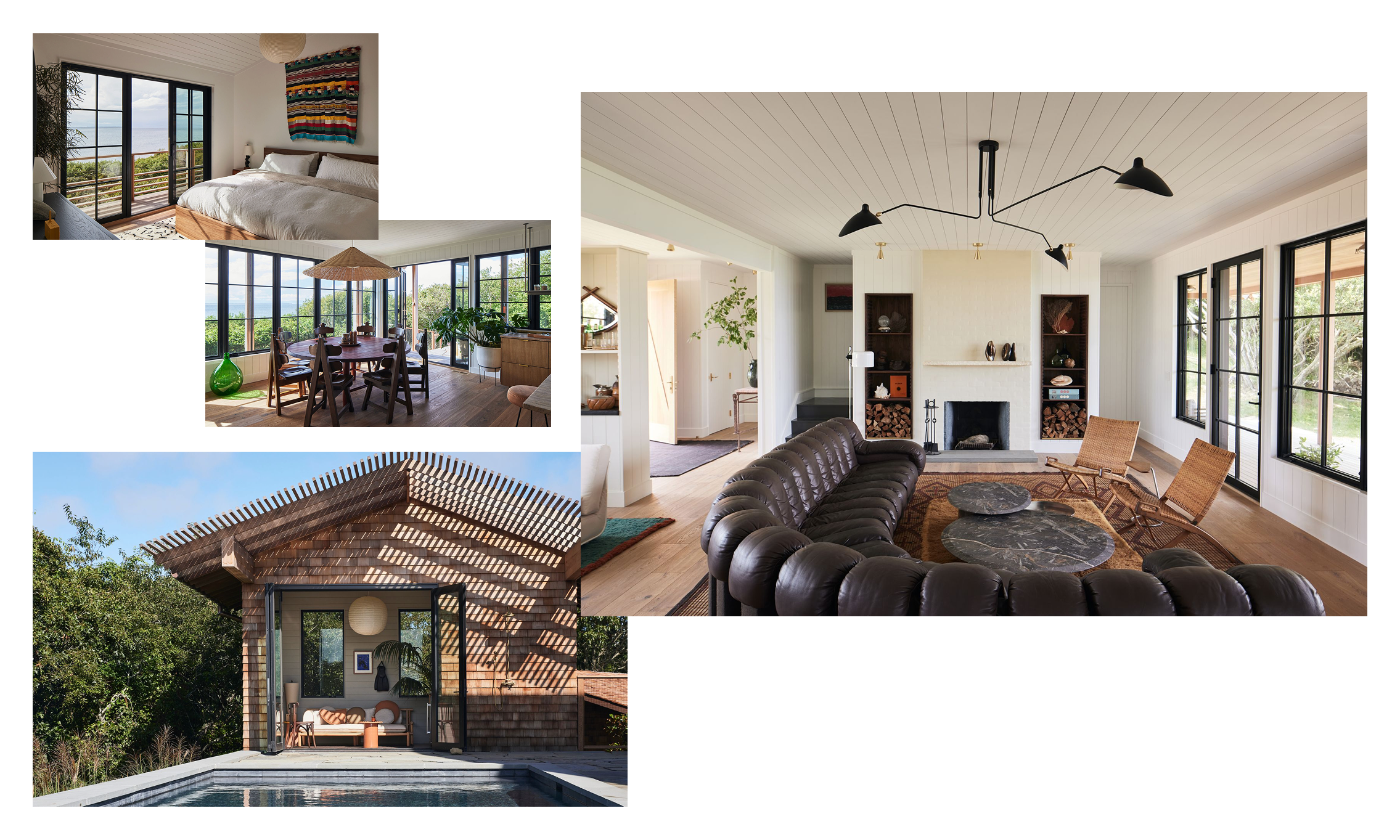
It’s a subtle distinction, but an important one. Where the Beachside Hotel and Amagansett bungalow feel like they’re trying to support a way of living, I can’t help but feel like Captain Balfour is aware of itself as an aesthetic product. It misses the point a little.
It’s the same reason these adaptations feel better than new builds. A weathered house feels lived in. It reminds you it’s okay to be outside all day, get a little dirty, and enjoy where you are.
LONG LIVE AMERICAN SUMMER
Not the aesthetic itself or the moodboarded version of it, but spaces that make you want to get outside, explore a little, and stop worrying so much about keeping everything pristine. Give me a house that feels connected to the land, resilient enough to survive real life, and not so precious I’m afraid to track sand through it.
Though, to be fair, I’ll still take the vintage Bronco.